
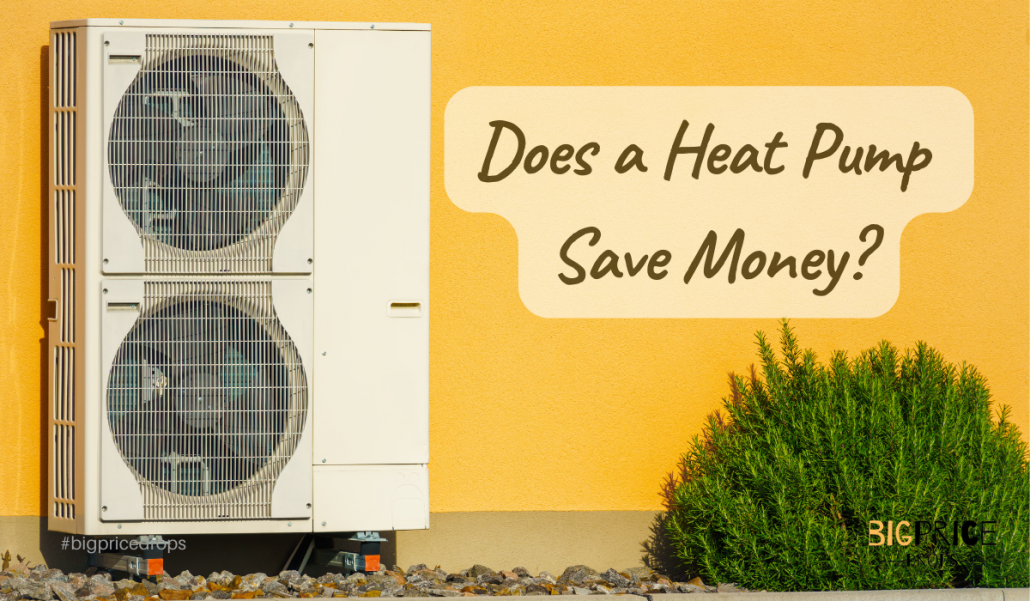
Does a Heat Pump Save Money Without Compromising Comfort?
Heat pumps can be an advantageous addition to your home or business, offering a potentially significant reduction in your energy costs. They work by transferring heat rather than creating it, which makes them highly energy-efficient.
A heat pump can produce up to four times the energy that it consumes. This impressive output may result in your energy bills being reduced by up to half when compared to conventional heating methods such as an electric furnace. The U.S. Department of Energy suggests that in cooler climates, a heat pump could whittle down your heating expenses by up to 30%. In contrast, if you live in a warmer climate, a heat pump’s cooling abilities could reduce your costs by an impressive 50%.
Heat pumps are versatile and can be used to heat water, further amplifying your energy savings. They can also serve you in regions that experience both cold and hot weather conditions by providing year-round energy savings. Surprisingly, heat pumps tend to be less noisy than traditional air conditioners and can be installed both indoors and outdoors, offering you a high degree of convenience. Learn more….
Stats
1. A heat pump can save you money on your energy bills by transferring heat instead of generating it.
2. Heat pumps can provide up to four times the amount of energy they consume.
3. Heat pumps have the ability to reduce your bills by up to half compared to heating with traditional methods, such as an electric furnace.
4. In order for a heat pump to be effective, you must choose the right size for the space you wish to heat.
5. Heat pumps can be used to heat hot water as well, saving you further energy costs.
6. The U.S. Department of Energy estimates that in cold climates a heat pump can save consumers up to 30% of their heating costs.
7. In warm climates, a heat pump can reduce cooling costs by up to 50%.
8. Heat pumps are more efficient than traditional air conditioners because they move heat instead of generating it.
9. A heat pump can provide year-round energy savings if it is installed in an area that has both cold and warm weather.
10. Heat pumps are less noisy than traditional air conditioners and can be installed both inside and outside of your home.
11. Heat pumps come in various sizes and can be either single-stage or multi-stage.
12. Heat pumps can be used in place of traditional heating systems, such as boilers and forced air systems.
13. Heat pumps are becoming increasingly popular as a more environmentally friendly and efficient way to provide heating and cooling for homes and businesses.
14. Heat pumps come in either air-source or ground-source models, both of which are more energy-efficient than traditional systems.
15. A heat pump is an energy-efficient alternative to an air conditioner and provides both cooling and heating capabilities.
16. Heat pumps are more efficient at heating than traditional systems, making them a cost-effective choice over time.
17. Heat pumps are better suited for moderate climates than extreme ones, and require less maintenance than other systems.
18. A heat pump is able to transfer heat to or from the ground or an external water source for heating and cooling.
19. Heat pumps are more expensive to install than traditional systems, but can save you money over the long run by providing reliable and energy-efficient heating and cooling.
20. Heat pumps can last up to 10 years, and can be used not only for your home but also for commercial buildings.
Heat pumps can reduce electricity consumption by up to 50% compared to traditional heating systems.
What Is a Heat Pump?
A heat pump is an incredibly exciting invention. In addition to warming your residence in the cold, it may also cool it in the summer.
It has a similar appearance to an AC but moves air around your home using an air controller.
How Does a Heat Pump Function?
Heat pumps provide efficient and low-carbon heating without burning fuel. Additional heat is produced by moving and squeezing the surrounding air. Due to their environmental friendliness, heat pumps generate heat even at below-zero temperatures, making them more efficient than other heating technologies.
-
Outside air is circulated via a system of tubes that are filled with a coolant. The coolant becomes gaseous due to the heat generated by the air.
-
A compressor is then used to compress the gas, increasing pressure and generating additional thermal energy.
-
The heated gas enters an exchanger encased in cold water or air. The coolant heats the cold water or air by transferring heat to it.
-
After that, warm water or air is dispersed throughout your house to give you warmth and hot water. In the meantime, the coolant cools and reconstitutes as a liquid, allowing it to restart the loop as necessary.
How are Heat Pumps Cost-Effective?
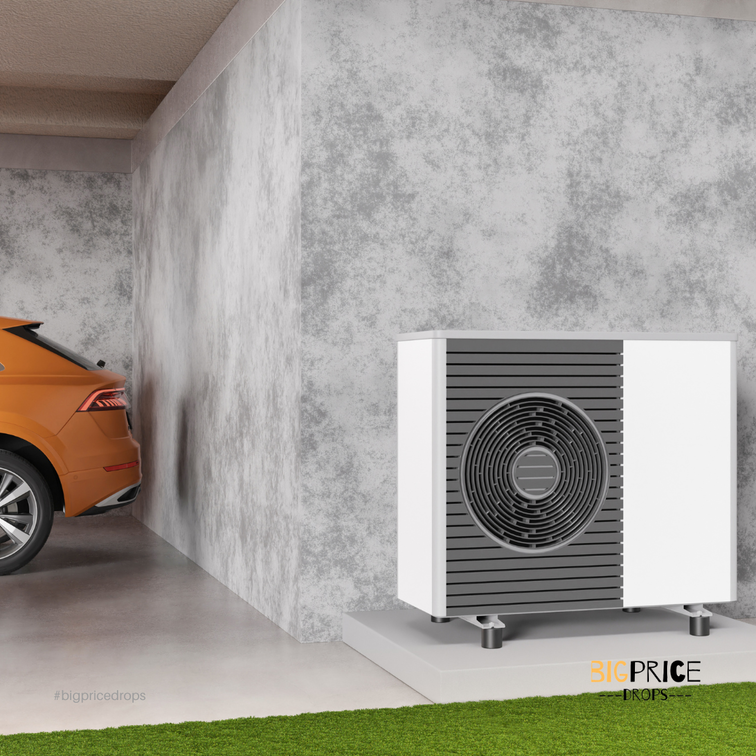
An air source heat pump system circulates warm air over a circuit to exchange heat, like a fridge or a conventional air conditioning system. In contrast to other central heating systems, the heat pump includes a reversible valve that allows it to function simultaneously as a space heating and cooling unit.
Rather than creating heat via combustion, heat pumps transfer heat from one location to the other. Air source heat pumps for cooler regions may operate at 100 per cent efficacy at temperatures as low as 5 degrees Fahrenheit (-15 degrees centigrade). This makes them much more effective than conventional HVAC systems. New chilly-climate heat pumps continue to be more affordable than burners and furnaces, generally even at lower temperatures.
By using a heat pump, homeowners can reduce their reliance on fossil fuels and lower their carbon footprint while saving money.
– Environmental Protection Agency
Heat pumps have an average payback period of 3 to 10 years.
How Much Money Can You Save?
The Department of Energy claims that converting to a heat pump from a typical gas boiler can result in significant annual savings for some houses.
Your average savings may fluctuate, much like other energy improvements, like enhancing the insulation in your home. The following elements have the greatest influence on energy costs and savings:
Size of Your House
An increased energy bill can be the result of a larger residence. Additionally, the more you spend today, the more money a heat pump will save you. Although initially you’ll need a much larger ground source heat pump, which is quite expensive.
Your Region’s Weather
Heat pumps support both cold and warm regions. But since so many homes use outdated electric, heating oil, gas and hot water systems, consumers who live ‘up North’ or in chilly coastal areas will benefit the most from new ground source heat pumps.
Your Home’s Energy Efficiency
You would spend significant money heating or cooling your property if it was inadequately insulated. So this implies that the heat pump will have more chances to work its magic.
So, an Air Source Heating System Saves You Money?
However, you will need to get a professional evaluation from knowledgeable installers to ascertain how much you will save. The size of the structure, its position, and the effectiveness of your existing system are all variables that might impact heat pump expenditures.
How Much Power Does a Heat Pump Consume?
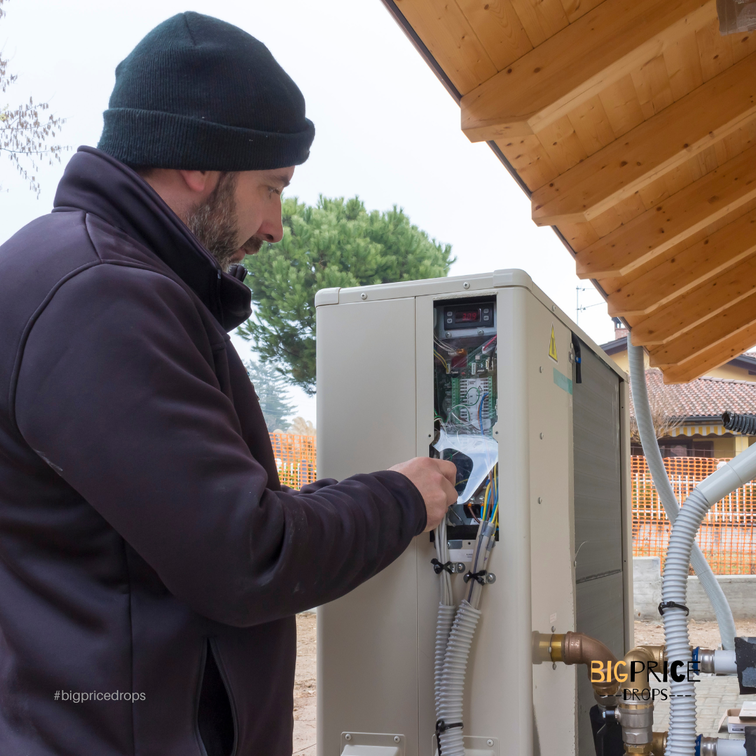
Approximately 12,000 KWH of heat are needed annually for a typical dwelling. A heat pump system with a COP of 3 might require 4,000 KWH of power per year to accomplish this. This amount will vary depending on your property’s size, insulation level, the heat produced, and hot water usage. Additionally, it will depend on the maximum efficiency of your heating system.
A heat pump can save homeowners up to 50% on their heating costs compared to traditional heating systems.
– Energy.gov
What Heat Pump Size Should I Get?
The output depends on your residence’s size and style, such as if you live in a 2-bedroom or 5-bedroom home, a cottage or a townhouse. Generally, most UK households should be able to use an air source heat pump with an expected output of between 5kW and 12kW. However, this depends on how effective your property’s insulation is. Generally, most installers would advise 1kW of output for every 10 square meters.
It’s crucial to ensure that the hot water tank you choose can accommodate the entire family’s needs when determining its size. A 180L tank is suggested as a general rule of thumb for a 2-bedroom residence, a 210L container for a 3-bedroom residence, and a 250-300L container for a 4-bedroom home.
Installing a heat pump can increase the resale value of a home by 5% to 10%.
What Health Benefits Does Air Source Heat Pump Technology Offer?
In addition to being ineffective, coal and gas boilers are often hazardous, unhealthy, and expensive.
The possibility of fuel or carbon monoxide spills is absent when electricity is consumed to power your house. This is in contrast to technologies that use natural gas, kerosene, or gasoline as a heat source.
Recent research has also discovered a connection between household natural gas consumption and asthma prevalence.
Lastly, air-source heat pumps need less upkeep than combustion-based heating systems, resulting in lower repair and maintenance expenditures and electricity bills.’
Is a Heat Pump Worth Investing In?
A heat pump uses energy far more effectively than a typical boiler that consumes more electricity and generates less heat. A heat pump lowers overall energy expenses and provides hot water. Furthermore, you can use it all year round as it will provide heating in the cold and cooling in the heat. The heat pump utilises low-temperature power generated in your residence to heat and chill large volumes of water.
How Much Does the Average Heat Pump Cost?
It is difficult to provide an exact figure for the average cost of a heat pump in the UK. This is because prices can vary depending on a number of factors, including the size and type of heat pump, location and installation costs.
According to the website Which?, the cost of a heat pump varies from around £5,000 to £20,000, depending on the size and type of heat pump. This includes the cost of the heat pump itself, as well as the cost of installation, which can range from around £1,000 to £5,000.
In general, the cost of a heat pump depends on the type of heat pump you choose. This is also based on the size of your property and the amount of heating and hot water you need. Ground source heat pumps are typically more expensive than air source heat pumps, but they are also more efficient and can provide more heat for your home.
It is also wise to consider the potential savings and benefits of a heat pump. This is because it can reduce your energy bills and carbon emissions, and it can provide a more comfortable and healthy living environment. You can use the government’s Renewable Heat Incentive (RHI) calculator to estimate the potential savings and earnings from a heat pump, and to compare the costs and benefits of different heat pump systems.
What are the Drawbacks of a Heat Pump?
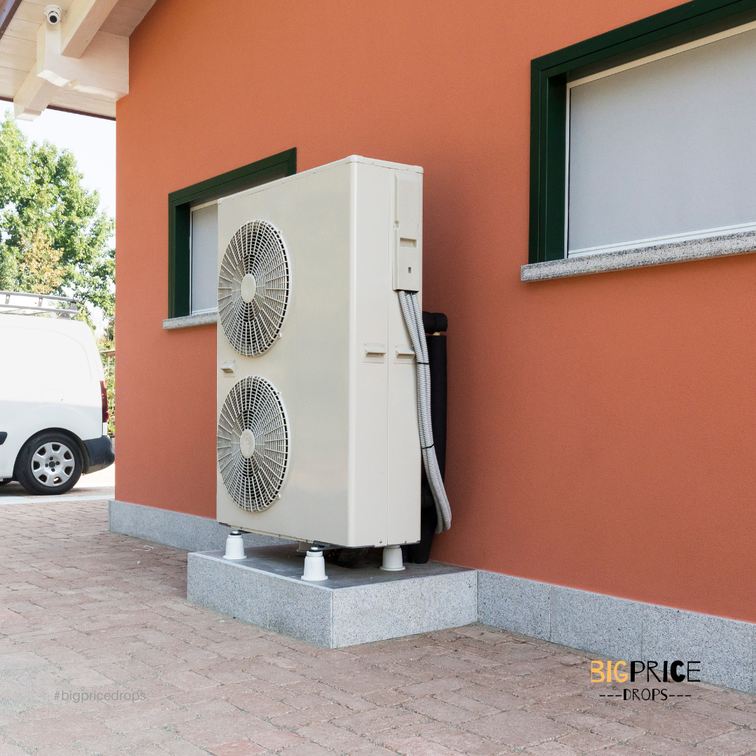
There are some downsides to heat pumps. The most significant of them is the high installation fees and up front cost. In addition to the cost, its installation also requires immense effort.
Conclusion: The Pragmatic Choice for Today and Tomorrow
By harnessing the naturally occurring heat energy from the surrounding environment, heat pumps provide a smart, efficient, and cost-effective solution to your heating needs. With their potential for significant energy savings, and by extension, monetary savings, heat pumps are undeniably an investment worth considering.
From the convenience of application to the ease of selection and installation, the user-friendly nature of these systems further adds to their appeal. The ability to both heat and cool spaces makes them versatile tools in maintaining home comfort year-round.
Indeed, when compared to traditional heating and cooling systems, heat pumps offer benefits that far outweigh those of their counterparts. The savings in energy usage and associated costs, along with reduced carbon emissions, make them not only a wise financial decision but also an environmentally responsible one.
In conclusion, making the switch to a heat pump is not merely a change—it’s an upgrade. It’s a choice that’s good for you, your wallet, and the planet. In this era of environmental awareness and energy efficiency, a heat pump stands out as a sustainable and cost-effective solution to heating and cooling needs. If saving money, saving energy, and doing your part for the environment are your goals, choosing a heat pump is an excellent choice.
Does a Heat Pump Save Money Without Compromising Comfort?

Perry Stevens is the founder of BIGPriceDrops and a long-time digital marketer with a practical interest in helping UK shoppers find better value online. He focuses on clear, no-nonsense money-saving content, Amazon UK deal insights, and buyer guides that help readers spot genuine savings without falling for misleading discounts or impulse-buy traps.
When he is not working on BIGPriceDrops, Perry runs Blend Local Search Marketing and works on digital projects covering SEO, AI tools, and online business growth. His approach is simple: help people make smarter decisions before they spend their money.


Leave a Reply
Want to join the discussion?Feel free to contribute!