
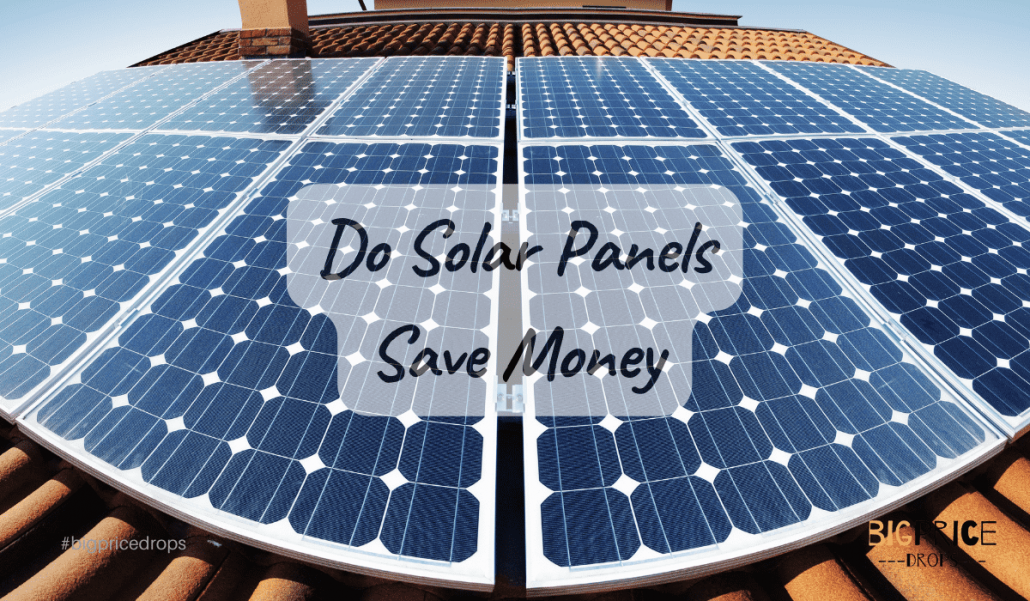
How Much Money Does a Solar Panel Save?
Are you contemplating the switch to solar power and pondering the extent to which it can save you money? You’re not alone. Many homeowners across the globe are in the process of determining the potential benefits of a solar power system. This article aims to help you understand more clearly the monetary savings that can be achieved with solar panels.
- Hefty Reduction in Electricity Bills: On a sunny day, a typical home solar panel system can generate more power than your home consumption.
- Feed-In Tariff Scheme: You can even make money by exporting surplus energy back to the grid under this scheme.
- Increased Property Value: Homes equipped with solar power systems are often estimated to have higher property values and sell more quickly than non-solar homes.
As you perusing these benefits, remember that the exact savings will vary based upon a host of factors. For instance, the geographic location of the home, orientation, and slope of your roof are crucial considerations. Similarly, the size, quality, and type of solar system installed can also significantly affect financial outcomes.
“Yet, even with all these variables, one thing remains constant: Investing in solar power will significantly decrease your electricity bills, providing substantial savings over the lifetime of the system.”
Interesting Facts
1. Installing solar panels on your home in the UK could save you up to £140 per year in energy bills.
2. According to Energy Saving Trust, the average household in the UK could save up to £600 per year by installing solar panels.
3. The payback period for a 4kW solar panel system is around 8-10 years.
4. An average sized solar PV system of 3.58kWp can generate approximately 3000 kWh per year, saving over £180 on their energy bills.
5. On average, homeowners in the UK could save up to £360 per year by installing a solar photovoltaic system.
6. The average size of a solar PV system in the UK is 4kW, which could generate over 3000-4000 kWh of energy per year.
7. In the UK, the Feed-in Tariff (FiT) is a government scheme that pays households for the electricity generated by their solar PV system.
8. The Feed-in Tariff (FiT) pays households for the electricity generated from their solar PV system at a rate of 4.39p/kWh.
9. Solar panels can usually last up to 25-30 years and require very little maintenance over their lifetime.
10. Solar panels can provide up to 70% of the energy used by the average UK household.
11. Solar panels can significantly reduce carbon emissions and save up to 500kg of CO2 a year.
12. The payback period for a solar PV system in the UK is around 8-10 years, depending on the amount of energy produced and the cost of installation.
13. An average 4kW solar PV system in the UK could generate around 3,000 -4,000 kWh of electricity each year.
14. It is estimated that the overall saving of using solar energy is between £2,000 – £8,000 over a 25-year period.
15. Generating your own electricity from solar panels can help to reduce electricity bills by up to 75%.
16. Solar PV systems typically have a lifetime of 20-25 years and require little maintenance throughout their life-span.
17. An average 4kW solar PV system can save up to £600-800 per year on energy bills.
18. The average cost of a 4kW solar PV system in the UK is £6000-£8000.
19. Solar PV systems qualify for a reduction in value added tax (VAT) of 5%.
20. Solar panels are eligible for the UK government’s Renewable Heat incentive (RHI), which pays households for the renewable energy they produce.
How Do Solar Panels Function?
A solar photovoltaic panel is made up of several cells, which are composed of sheets of silicon or another semiconducting compound. This substance conducts electricity when exposed to light.
Solar panels work even on overcast days without the need for the bright sun. But power production increases with solar intensity.
Every solar panel in a photovoltaic system produces about 355W of electricity under conditions of intense sunshine. A regular system produces DC electricity and has around ten panels. An inverter is integrated with the network to transform DC power into AC since domestic equipment needs AC. You may utilise this power within your house or send the surplus electricity to the grid.
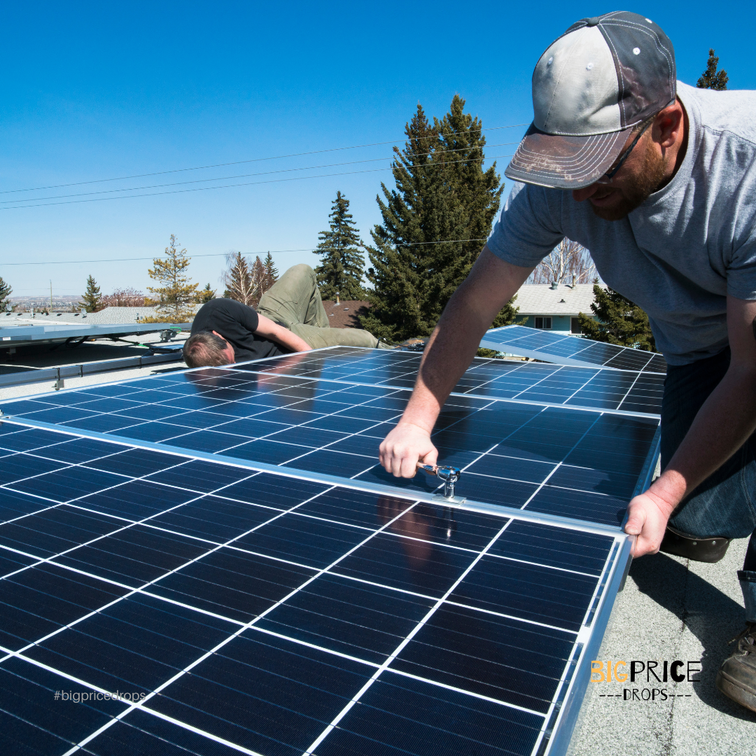
Check out the Jackery SolarSaga 100W Portable Solar Panel
What Is The Average Lifespan Of A Solar Panel?
For those seriously considering the transition to solar energy, a vital question often arises—What is the average lifespan of a solar panel? Solar panels are a significant investment, so it’s essential to understand how long you can expect them to remain productive.
Solar panels, on average, have a lifespan of around 25 to 30 years. This doesn’t mean they stop producing electricity after this period, but their energy production will significantly decrease by this point. This timeframe, often referred to as the ‘solar panel performance guarantee’, is one of the most fundamental considerations to factor into your financial forecasting for solar energy.
| Manufacturer | Lifespan |
|---|---|
| Panasonic | 25 Years |
| LG | 25 Years |
| Canadian Solar | 25 Years |
It’s noteworthy to mention that several top-tier manufacturers often guarantee a 90% production at 10 years and 80% at 25 years. In other words, your solar panels will still be functioning and saving you money, but their efficiency will have decreased somewhat by the end of their lifespan.
Factors That Impact the Lifespan of Solar Panels
Various factors can affect the lifespan of solar panels. Let us consider a few:
- Weather conditions: Extreme weather conditions can be harsh on solar panels, potentially damaging them or limiting their effectiveness.
- Quality of solar panel: Not all solar panels are created equal. High-quality panels are more resistant to wear and tear, meaning they typically last longer.
- Maintenance: Regular maintenance can significantly extend the lifespan of solar panels. This includes periodic cleaning and checks for damage.
Net Metering
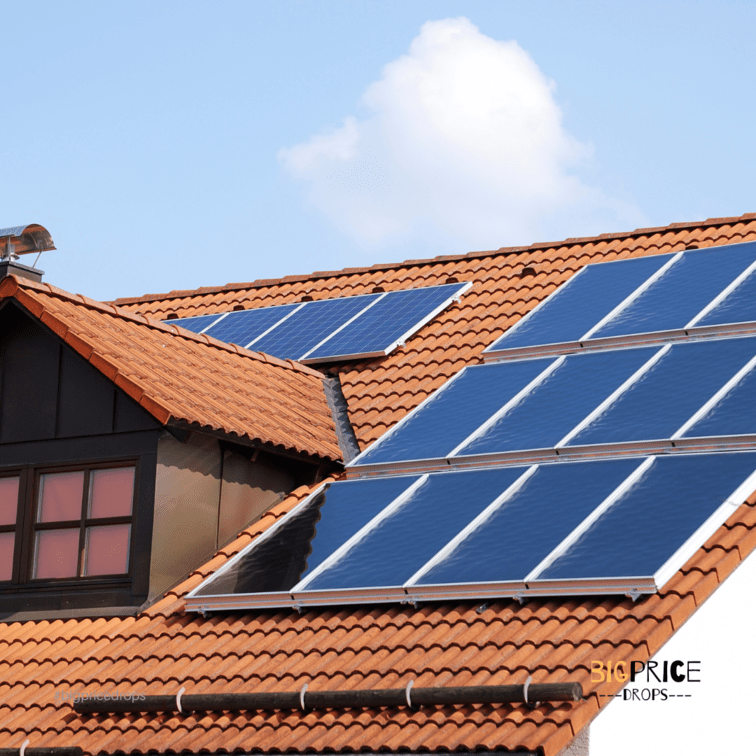
You may reduce your total power bill by selling any additional generated electricity you don’t use back to the grid under a net metering scheme. Your discounts may vary greatly depending on where you live and which power provider services your region. Electric utilities may reward you with points based on the selling value of electricity, while others will offer you a reduced sale price.
Energy Consumption in Home
The total power you need from your installation will vary based on your home’s size and energy consumption patterns. You will have to create more energy the more you consume it to avoid being charged by the grid station.
What are the maintenance costs associated with solar panels?
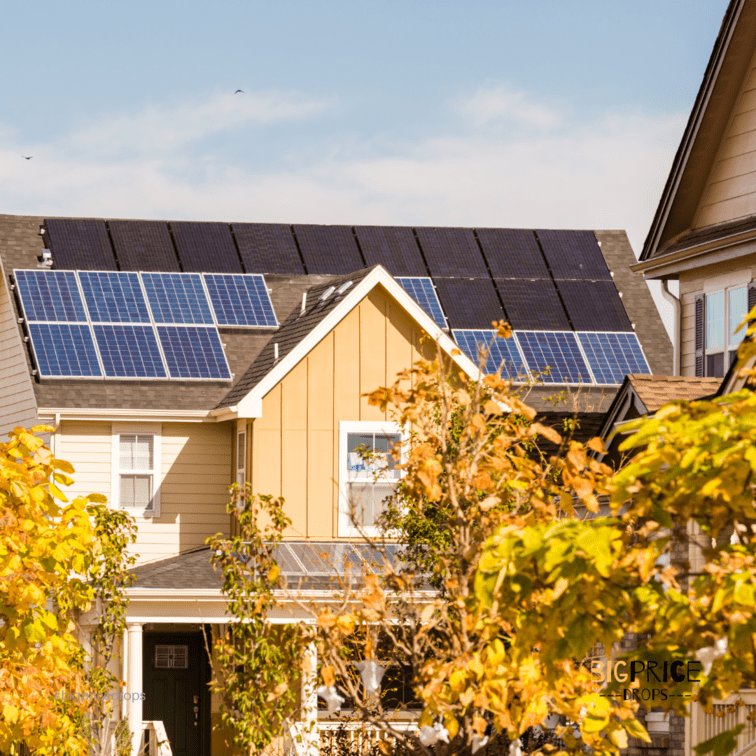
As you integrate solar panels into your household or business, understanding the maintenance costs can provide vital insights into the potential savings that come with the energy system. Despite the high upfront costs, solar panels typically have minimal maintenance costs, especially compared to conventional energy sources.
Primarily, the efficiency of your solar panels, therefore their cost-effectiveness, depends on several factors:
- Geographical location: Areas with greater sunlight intensity and longer sunshine hours tend to benefit more from solar power, hence generating more savings.
- Tilt angle and orientation of the panels: Optimal alignment towards the sun enhances the amount of sunlight captured, subsequently impacting the panels’ efficiency and cost-saving potential.
- Type of solar panel installation: Roof-mounted panels require a bit more maintenance due to the risk of roof damage and snow accumulation in certain areas, as opposed to ground-mounted solar arrays.
- Cleaning and general upkeep: Keeping the panels clean from dirt and debris ensures maximum sunlight absorption, maintaining their efficiency, and contributing to cost savings.
Solar panels, in general, demand minimal maintenance. Once installed, you only need to make sure they stay relatively clean and aren’t overshadowed by new structures or vegetation growth. Additionally, modern solar panels can endure harsh weather conditions, adding to their robust and low-care nature. Periodic inspection by a professional once every couple of years is suggested to ensure the system is running optimally.
The inverter is the only component that might need replacement in a solar energy system after about 10-15 years of use. But even with this expense factored in, the net savings for a solar panel owner over the course of its lifespan are considerable.
What Percentages of Bill Does Solar Power Save?
Electricity expenditures are often reduced by 15 to 25 per cent after installing solar panels. Solar panel systems, however, may be very expensive, and many people find them offensive.
What Kinds of Solar System Financing are Available in the UK?
The UK government has long prioritised encouraging the utilisation of clean electricity sources. All EU sovereign states must meet a 32 per cent renewable energy goal by 2030 under the EU’s Renewable Energy Directive. In this regard, the UK has already been striving to attain a similar goal by implementing additional programs and incentives in the field of renewable energy.
New purchasers do not need to worry because this trend was followed by a fall in solar panels’ prices. There seem to be ways to finance solar panels in the UK, even if there are no subsidies in the conventional sense. Smart Export Guarantee is the only program currently accepting new applications.
Smart Export Guarantee (SEG)
The implementation of smart export guarantees began on January 31, 2020, and is currently ongoing. It will make it possible for small low-carbon energy producers to get paid for the extra energy they export. The government doesn’t directly subsidise it; instead, the authorised provider charges clients for exports.
Conclusion
| Advantage | Description |
|---|---|
| Financial Savings | Significantly lower energy bills, taking into account the cost of purchase, installation and maintenance of the solar panels. |
| Longevity | Continued return on investment over the typically long lifespan of solar panels. |
| Environmental Stewardship | Reduced carbon footprint resulting in a healthier planet. |
In conclusion, the potential for solar panels to save money is substantial. The financial benefits coupled with the positive environmental impact make this a worthwhile consideration for any homeowner or business contemplating energy alternatives. Harnessing solar power is not just a venture for financial gain; it is a step towards a more sustainable and eco-friendly future.
How Much Money Does a Solar Panel Save

Perry Stevens is the founder of BIGPriceDrops and a long-time digital marketer with a practical interest in helping UK shoppers find better value online. He focuses on clear, no-nonsense money-saving content, Amazon UK deal insights, and buyer guides that help readers spot genuine savings without falling for misleading discounts or impulse-buy traps.
When he is not working on BIGPriceDrops, Perry runs Blend Local Search Marketing and works on digital projects covering SEO, AI tools, and online business growth. His approach is simple: help people make smarter decisions before they spend their money.
Related posts:
 The Financial Perks of SodaStream: An Expert Analysis on Potential Savings
 Unique Tips for Saving Money on Dining Out by a Frugal Foodie
 How Does a Slow Cooker Save Money?
 My Personal Savings Journey: Embracing Black Box Insurance for Lower Premiums
 In These Inflationary Times, Does a Thermostat Help Save Money?


Leave a Reply
Want to join the discussion?Feel free to contribute!