
Does a Wood Burner Save Money?
As energy costs continue to rise, many homeowners are looking for practical ways to cut down on their monthly bills. One solution that has grown increasingly popular over recent years is the use of wood burners. But you may wonder, ‘Does a wood burner really save money?’ We’re here to provide an insightful discussion on this topic and help you make an informed decision for your home.

Interesting Facts
Feeling the Heat: The Cost-Effectiveness of Wood Burners
Wood burners have been touted as an energy-efficient alternative to traditional heating methods. Depending on the type of wood burner you choose, and how much you invest in installation and insulation, you could save up to 25% on your annual energy bills.
The cost-effectiveness of a wood burner also lies in the cost of fuel. Since the cost per kWh of wood fuel is significantly less than gas, electric, or oil, it stands as a much more economically viable heating option.
From Flame to Fame: The Efficiency of Wood Burners
Not only does a wood burner come with cost advantages, but its efficiency is also a major selling point. A typical wood burner provides heat that is three to five times more efficient than an open fire. Moreover, these burners make use of up to 90% of the energy produced, making them highly efficient energy converters.
But the lifespan of these burners also merits consideration. Typically, wood burners can serve you efficiently for up to 20 years, marking them as a wise long-term investment.
burners can save homeowners up to 30% on their heating bills.
Sealing the Deal: Financial Incentives for Wood Burner Users
For a greater financial incentive, consider stoves with a rated output of 5 kW or less. These models qualify for the Renewable Heat Incentive (RHI), a scheme that rewards users for producing heat with environmentally friendly means.
Chimney Tales: Space and Emission Considerations
Despite their benefits, it’s important to note that wood burners do require larger chimneys than open fires. However, they counterbalance this by creating fewer emissions than open fires. In fact, some stoves produce negligible amounts of particulate matter due to their efficient design.
Additionally, wood burning creates a minimal amount of smoke, thanks to high temperatures and efficient burning. This further contributes to a reduction in carbon dioxide emissions when compared to open fires.
Maintenance Matters: Caring for Your Wood Burner
Wood burners do require more attention than open fires when it comes to maintenance and stocking up on wood. This can be particularly expensive and time-consuming in urban areas. Model types that use wood logs or pellets will require more input to reload and refuel than gas models.
However, the potential cost savings associated with different stove types and wood varieties, as well as the possibility of running some burners on waste wood, can offset these expenses.
Appeal and Application: The Aesthetics and Suitability of Wood Burners
Despite these technical considerations, it’s hard to deny the cozy and pleasing appearance that wood burners add to a home. However, their utility often lies in their application. Wood burners are best suited to smaller homes, where they aren’t required to heat multiple rooms.
They also require a good air supply for efficient burning. As such, they are ideal for well-insulated homes where ventilation can be effectively managed. Moreover, most wood burners come fitted with a glass door, enhancing the visual appeal while allowing a clear view of the fire.
In conclusion, while there are certain considerations related to maintenance and housing conditions, wood burners can indeed save money and be an economic choice for those seeking an efficient, renewable, and cozy heating solution.
The cost of firewood is generally lower than the cost of other heating fuels.
How Much Money Can Wood Burning Stove Save You?
Generally, log burners are deemed carbon neutral, so a burner heating system will not make you financially miserable regarding running costs.
The running cost
A log burner can consume around 3.5 cubic meters of wood.
One cubic meter of kiln-dried logs can cost around £120 to £140, which implies you could be spending over £400 in the winter. Alternatively Amazon sells kindling and bio bean Coffee logs that burn 20% hotter than kiln-dried logs at a much more affordable price point.
Comparing this number with what electricity and gas can cost is a massive saving. A log burner can shave almost 10% off your home’s heating bill.
You could even chop hardwood for direct stoves without needing to buy it; however, you need to keep it dry and stored for more than a year before use.
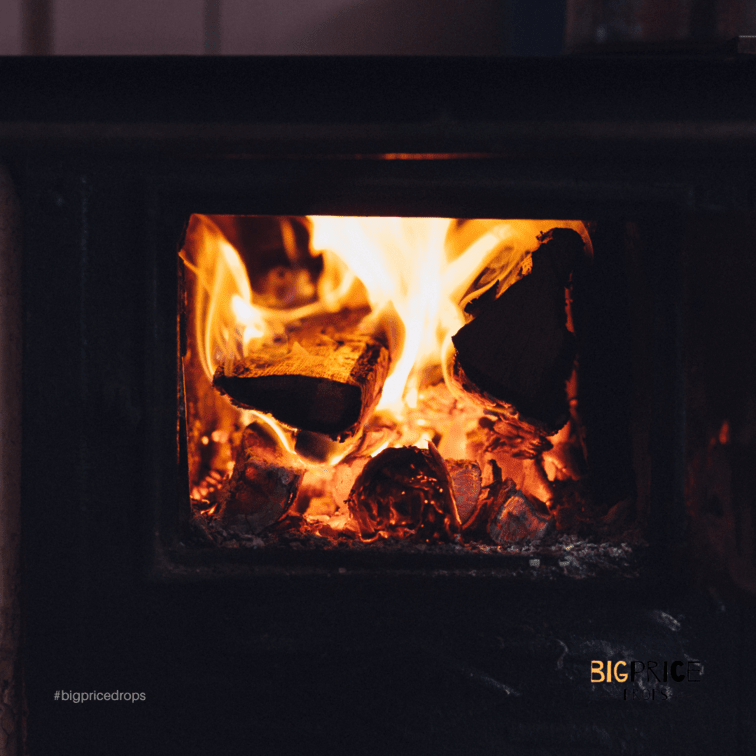
Log Burner Installation Cost
Let’s talk about how much it can cost to install a log burner.
If your house already has a chimney, you should get it inspected by a qualified and competent engineer before jumping into installation. Moreover, it is worth noting that installing a log burner is no DIY activity; you will require an expert for the task.
They will check everything thoroughly to ensure no blockages or leaks in the chimney, which would pose an issue later. Moreover, your chimney must be cleared of any existing gas fire situation.
If all is set and your space is ready for wood burner installation, most installations can cost around £2,000, and the burners can cost up to £950 on average.
You will also need a flue liner installed for proper smoke exhaustion and to ensure your wood burner works without a hitch.
Wood burners can reduce the need for central heating, resulting in lower energy consumption.
What are the Wood-burning Stove Regulations for 2022
In the UK, you don’t need to worry about prior planning or permission to install a wood burner as long as a HETAS installer carries out the task. The log burner you buy must be an EcoDesign-approved model only.
Furthermore, the Clean Air Strategy mandates that you can only burn dry wood with 20% or lower moisture content to avoid tiny particle pollution.
Wet wood emits much more damaging emissions than gas boilers.
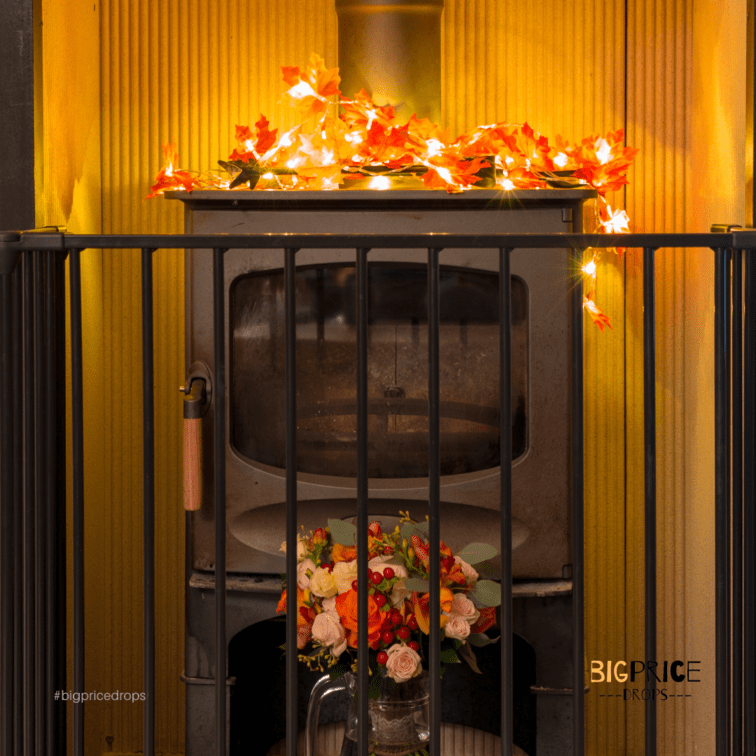
Wood Burner or Gas Central Heating
Gas central heating is a popular choice because it heats your house thoroughly. However, central gas heating can have a very high initial cost, and the ongoing running expenses can be staggering.
Moreover, if the power cuts out, so will the heating. Therefore, it may not be the most affordable option for every household.
With log burners, you can have heat at all times, no matter what’s happening outside, so long as you have burning wood.
Nonetheless, it also depends on your unique situation; if you are on the gas grid, then sure, central heating can sound good; otherwise, wood burners can be a better idea.
Is a Log Burner Cheaper than Gas in 2022?
Absolutely! Wood burners seem more appropriate to homeowners as household bills skyrocket during the energy crisis.
A wood burning stove costs around 13% less than gas for an average household.
Will a Log Burner Heat the Whole House?
Well, it can depend on your house’s size; however, generally, the burner cannot heat your entire house unless installed solely for central heating.
Nevertheless, wood burners are pretty efficient at heating any room with them because only 20% of the produced heat is lost in the chimney.
Using a wood burner can lead to annual savings of hundreds of dollars on heating costs.
Conclusion
In conclusion, installing a wood burner can certainly save money, provided it’s used appropriately and maintained properly. They are an eco-friendly option that helps to lower utility bills, especially during the chilly winter months.
Making a choice to install a wood burner should not be taken lightly. It requires considering many factors including the design of your home, its location, and how much ventilation is available. These considerations not only influence the amount of money you could save but also the viability of having a wood burner in the first place.
However, once these necessary assessments are made and a wood burning system is found to be suitable, its monetary benefits could be significant. Aim to use your stove efficiently and responsibly to reap the most financial rewards. Your commitment to implement regular maintenance check-ups will also ensure a longer lifespan for the device as well as sustained peak performance.
To sum it up, a wood burner can indeed save you money while also contributing to a greener planet. It is a beautiful blend of tradition and practicality, a symbol of harmony between human life and nature.
Does a Wood Burner Save Money

Perry Stevens is the founder of BIGPriceDrops and a long-time digital marketer with a practical interest in helping UK shoppers find better value online. He focuses on clear, no-nonsense money-saving content, Amazon UK deal insights, and buyer guides that help readers spot genuine savings without falling for misleading discounts or impulse-buy traps.
When he is not working on BIGPriceDrops, Perry runs Blend Local Search Marketing and works on digital projects covering SEO, AI tools, and online business growth. His approach is simple: help people make smarter decisions before they spend their money.


Leave a Reply
Want to join the discussion?Feel free to contribute!