

Who Benefits When They Take Us to War? Follow the Money
The powers that shouldn’t be are rattling their sabres and banging the drums for war. There’s talk or mandatory conscriptions for boys and girls, media propaganda is ramping up, severe economic sanctions, embargoes and the disruption of supply chains, all of which exacerbate tensions and could lead to a global conflict.
Of course these little men in politics will not be fighting or sending their own sons and daughters to accumulate another nations wealth, commodities and minerals, I mean spread their brand of ‘DEMONcrasy’. It’s a big ask to go kill women and babies in a foreign land when back home the government clearly hates us and certainly don’t represent us.
I’ve travelled to forty countries and I’ve never had any beef with anyone from another nation, certainly not to the point of I want to destroy their whole community. I’ve found most people are pretty much the same, they just want to be left alone, to follow their dreams, build a happy home, fall in love and make enough money to be comfortable.
Sooner or later you realise all wars are bankers wars and perpetual wars are by design, by politicians and their paymasters, not by we the people.
But war has been an enduring part of human history, shaping nations, economies, and societies. While it is often painted in stark terms of victory and defeat, the reality is far more complex.
War creates winners and losers in many dimensions, from political power plays to economic impacts and human suffering. Let’s delve into this intricate subject and explore who truly gains and who loses when ‘statesmen’ take us to war.
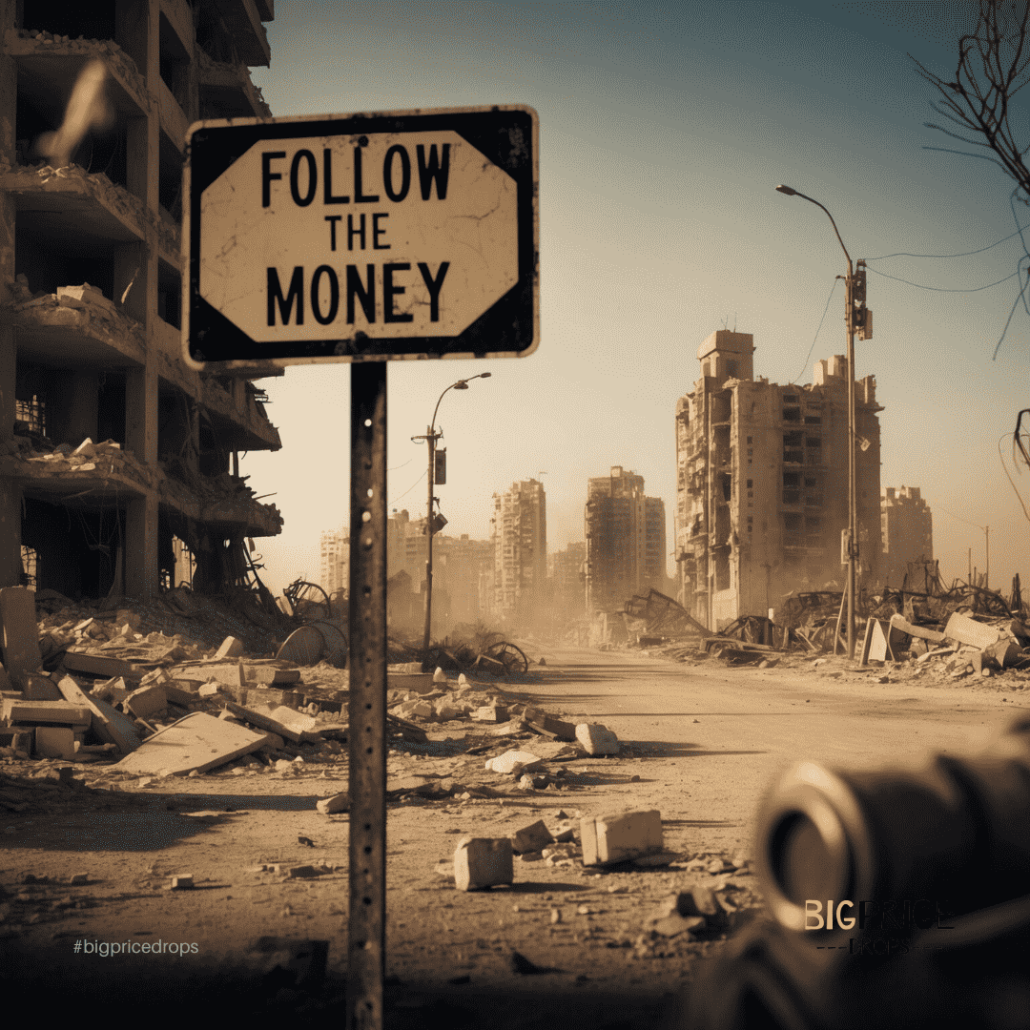
The Winners
Political Leaders
Gaining Power and Influence
Political leaders often emerge as winners in the context of war. The playbook is to position themselves as protectors of national security, so they can consolidate power and rally public support. War can serve as a unifying force, diverting attention from domestic issues and boosting leaders’ approval ratings.
Rallying Nationalism
War can also ignite a surge of nationalism, strengthening a leader’s grip on power. By framing the conflict as a fight for the nation’s survival or honour, leaders can foster a sense of unity and purpose among their citizens, often leading to increased political capital.
Defence Contractors
Economic Gains
Defence contractors, or let’s call them for what they really are offence contractors, are among the most significant beneficiaries of war. The demand for weapons, equipment, and military technology skyrockets during conflicts, leading to substantial profits for these companies. Governments often allocate large budgets for offence spending, directly benefiting their buddies with lucrative contracts to kill piss-poor natives in far off lands with million dollar missiles.
Technological Advancements
War drives innovation in military technology. Offence contractors invest heavily in research and development, leading to advancements that can later be adapted for civilian use, the Internet, microwaves and drones are examples. This dual-use technology can spur economic growth and lead to new industries and job creation.
Media Corporations
Increased Viewership and Advertising Revenue
Lame street media corporations also stand to gain from war. Conflict draws public interest, leading to increased viewership and readership. This surge in audience can translate into higher advertising revenue. War coverage becomes a lucrative business, with news outlets competing to provide the most compelling stories.
Certain Economies
Economic Stimulus from Military Spending
In some cases, economies can experience a boost from military spending. The production of military goods requires a significant workforce, creating jobs and stimulating economic activity. This can be particularly beneficial for economies in recession or those with high unemployment rates.
Job Creation
The demand for military personnel and support staff during war can also lead to job creation. This includes not only soldiers but also civilians in roles such as logistics, healthcare, and manufacturing.
The comedian George Carlin nailed it when he said “It’s a big club, and you aint in it!”

The Losers
War, what is it good for? We’ve established cui bono, but let’s look at the real cost of forever wars.
Civilians
Casualties and Displacement
Civilians often bear the brunt of war’s destruction. Innocent lives are lost, and many more are displaced from their homes. The humanitarian impact is profound, with millions of people facing loss, trauma, and uncertainty.
Psychological Impact
The psychological toll of war on civilians is immense. The trauma of violence, loss of loved ones, and displacement can lead to long-term mental health issues, affecting entire generations.
Soldiers
Physical and Mental Health Issues
Soldiers face significant risks during war. Beyond the immediate danger of combat, many suffer from long-term physical injuries and mental health issues such as PTSD. The transition back to civilian life can be challenging, with many veterans struggling to reintegrate into society with little in the way of support from the politician who put them in this position in the first place.
Reintegration Challenges
Reintegration into civilian life is often difficult for soldiers. Finding employment, dealing with trauma, and adjusting to a life outside the military can be overwhelming, leading to a range of social and economic challenges.
Global Stability
Long-term Regional Instability
War can lead to prolonged regional instability and unforeseen consequences. Conflicts often leave power vacuums, leading to ongoing violence, political turmoil, and a breakdown of law and order. This instability can spread, affecting neighbouring countries and entire regions.
Economic Disruptions
War disrupts global trade and can lead to economic downturns. The destruction of infrastructure, loss of workforce, and decreased productivity can have long-term economic consequences for the affected regions and beyond including famine and disease.
Environmental Impact
Destruction of Ecosystems
War has devastating effects on the environment. The use of explosives, chemicals, and deforestation for military purposes can lead to the destruction of ecosystems. This environmental degradation can have lasting impacts on biodiversity and natural resources.
Long-term Environmental Damage
The environmental damage caused by war can persist long after the conflict ends. Contaminated land, unexploded ordnance, and damaged infrastructure can hinder recovery and pose ongoing risks to human health and the environment.
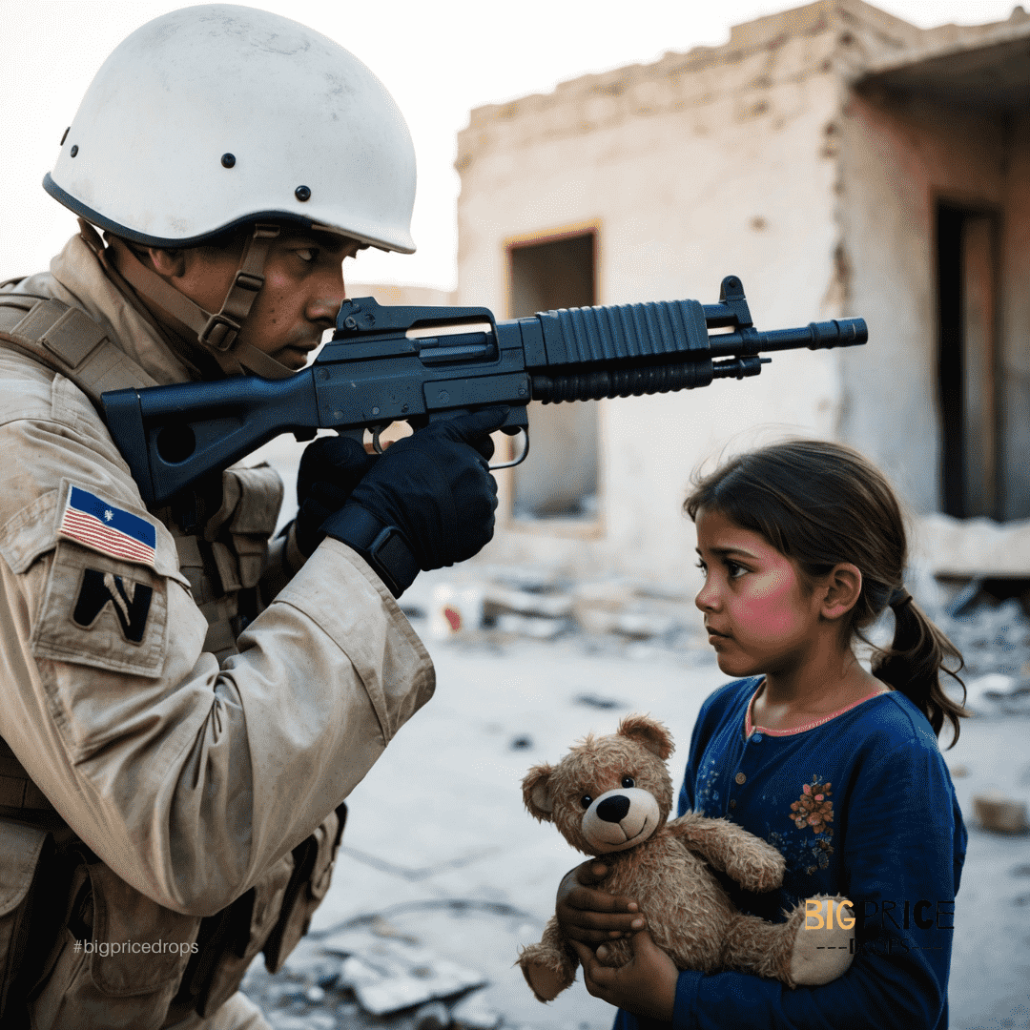
Case Studies
World War II
Winners: Allied Powers, Industrial Giants
World War II saw the rise of the Allied Powers as victors, reshaping the global political landscape. Industrial giants in the United States and other Allied nations also benefited from wartime production, leading to economic growth and technological advancements.
Losers: Axis Powers, European Civilians
The Axis Powers were defeated, leading to significant political and economic consequences. European civilians, particularly in Germany and Japan, faced immense suffering due to bombings, loss of life, and displacement.
Vietnam War (Kháng chiến chống Mỹ – Resistance War against America)
Winners: Offence Contractors, Certain Political Figures
Offence contractors in the United States profited immensely from the prolonged conflict, as did certain political figures who gained power and influence. However, the war’s controversial nature also led to political upheaval.
Losers: Vietnamese Civilians, American Soldiers
Vietnamese civilians endured tremendous hardship, with millions of casualties and widespread devastation. American soldiers also faced severe physical and psychological consequences, with many struggling to reintegrate into society after the war.
Iraq War
Winners: Oil Companies, Offence Contractors
Oil companies and offence contractors emerged as significant beneficiaries of the Iraq War. The conflict led to increased control over oil resources and substantial profits for military suppliers.
Losers: Iraqi Civilians, Global Stability
Iraqi civilians suffered greatly, with high casualty rates, displacement, and ongoing violence. The war also destabilised the region, leading to broader geopolitical consequences and increased global insecurity still felt today.
Who is Benefiting from the Ongoing Proxy War in Ukraine?
The conflict in Ukraine, often described as a proxy war, has significant ramifications on various stakeholders globally. This complex situation has created a landscape where certain parties derive considerable benefits while others suffer profound losses. Let’s take a closer look at who is benefiting from this ongoing conflict.
Political Leaders
Russian Leadership – Consolidation of Power
Russia, the conflict serves as a means to consolidate power domestically. By framing the war as a defence of Russian-speaking populations and a fight against Western influence, Russian leadership bolsters nationalistic sentiment and secures public support. This consolidation helps maintain political stability and deflects attention from domestic issues.
Ukrainian Leadership – International Support
Ukraine’s leadership benefits from increased international support to the tune of billions of dollars. The portrayal of Ukraine as a ‘victim of aggression’ has rallied Western nations to provide military aid, financial assistance, and diplomatic backing. This support strengthens Ukraine’s position both domestically and on the international stage, where before no one knew or cared about this land mass. There’s always money to be found for war but not to house the homeless or build infrastructure at home.
Western Governments – Geopolitical Strategy
For Western governments, particularly the United States and European Union members, the conflict provides a strategic opportunity to counter Russian influence. By supporting Ukraine, these nations aim to weaken Russia’s geopolitical standing and demonstrate a commitment to defending ‘democratic values’.
Offence Contractors
Western Offence Industry – Increased Demand for Military Equipment
Offense contractors in the United States and Europe see substantial benefits from the conflict. The increased demand for military equipment and supplies from Ukraine and NATO countries has led to lucrative contracts. This surge in demand translates into higher profits and boosted production for these companies.
Russian Defence Industry – Sustained Production and Development
Similarly, the Russian defence industry benefits from sustained production and development of military technologies. The conflict justifies increased defence spending and continuous innovation, ensuring a steady flow of revenue and government contracts.
Energy Companies
Western Energy Firms – Market Opportunities
Western energy firms benefit from the sanctions imposed on Russian energy exports. These sanctions create opportunities for alternative suppliers to enter European markets and to push their ‘green agenda’. Additionally, the geopolitical instability drives up global energy prices, leading to higher profits for companies involved in oil and gas production.
Media Corporations
Increased Viewership
The conflict in Ukraine generates significant media interest, leading to increased viewership and readership for news outlets. This surge in audience translates into higher advertising revenues and greater market influence for media corporations globally.
Cybersecurity Firms
Rising Demand for Cyber Defence
With the conflict extending into the cyber domain, cybersecurity firms experience heightened demand for their services. It’s currently one of the fastest growing sectors. Nations involved in the conflict invest heavily in cyber defence capabilities, providing lucrative opportunities for companies specialising in cybersecurity solutions.
Humanitarian Organisations
Funding and Donations
While not benefiting in a traditional sense, humanitarian organisations receive increased funding and donations to address the crisis. Of course their administration costs have to be taken into account, so it’s unclear how much actually reaches its supposed destination. The heightened awareness and urgency of the situation lead to greater support from the international community, enabling these organisations to expand their relief efforts.
The ongoing proxy war in Ukraine creates a multifaceted landscape of beneficiaries. Political leaders consolidate power and garner international support, offence contractors and energy companies profit from increased demand and market opportunities, and media corporations enjoy heightened viewership. While these entities benefit, it is crucial to remember the significant human cost and strive for a peaceful resolution to alleviate the suffering of those most affected.
I think we are starting to see a pattern here of who benefits when they take us to war… It get’s really interesting when you start to look at who are the main shareholders in all these organisations.

The Role of International Organisations
Efforts to Mitigate Losses
International organisations such as the United Nations (the one-world government army) are said to play a crucial role in mitigating the impacts of war. They provide humanitarian aid, support ‘peacekeeping’ missions, and work towards conflict resolution (wouldn’t their conflict resolution skills be better deployed to prevent war?) to prevent further suffering. But for who?
Humanitarian Aid and Reconstruction
Organisations who benefit from building back better after bombing a dirt poor, but mineral or commodity rich country it into oblivion include; Halliburton – and its subsidiary KBR (Kellogg Brown & Root) – Iraq $10.8 billion,, Bechtel Group – Iraq $680 million, Parsons Corporation – Iraq $1.5-billion, Fluor Corporation Iraq $80 million, DynCorp International – Iraq $750 million and General Electric (GE) – Iraq $1.2 billion.
These humanitarian corporations focus on post-war reconstruction, helping to rebuild infrastructure, support displaced populations, and promote economic recovery. Their efforts are vital in helping war-torn regions recover and rebuild.
Economic Consequences of War
Short-term Economic Boosts
While war can stimulate economic activity in the short term through increased production and job creation, these benefits are often temporary. The destruction and long-term economic burdens far outweigh the initial gains (except for the banksters).
Long-term Economic Burdens
The long-term economic consequences of war include rebuilding costs, loss of human capital, and ongoing healthcare needs for veterans and civilians. These burdens can strain national economies for decades.
Technological Advancements
Innovations Born from War
War has historically driven technological innovation. Many technologies we use today, such as radar, jet engines, and the internet, have their origins in military research and development.
Dual-Use Technologies
These innovations often have dual-use applications, benefiting both military and civilian sectors. This can lead to economic growth and improved quality of life, demonstrating a complex interplay between war and technological progress, until it doesn’t… as Albert Einstein famously said “I know not with what weapons World War III will be fought, but World War IV will be fought with sticks and stones”.
Shoot a person in a street, you’re murderer. Shoot a person because the government gave you a new kind of gun and they’ll probably pin a medal on your chest! Go figure!
Moral and Ethical Considerations
The Human Cost of War
The moral and ethical implications of war are profound. The human cost, including loss of life, suffering, and displacement, raises significant ethical questions about the justification and conduct of war.
Ethical Dilemmas in Warfare
Modern warfare presents new ethical dilemmas, such as the use of drones, cyber warfare, and autonomous weapons. These technologies challenge traditional notions of combat and raise questions about accountability and the rules of engagement.
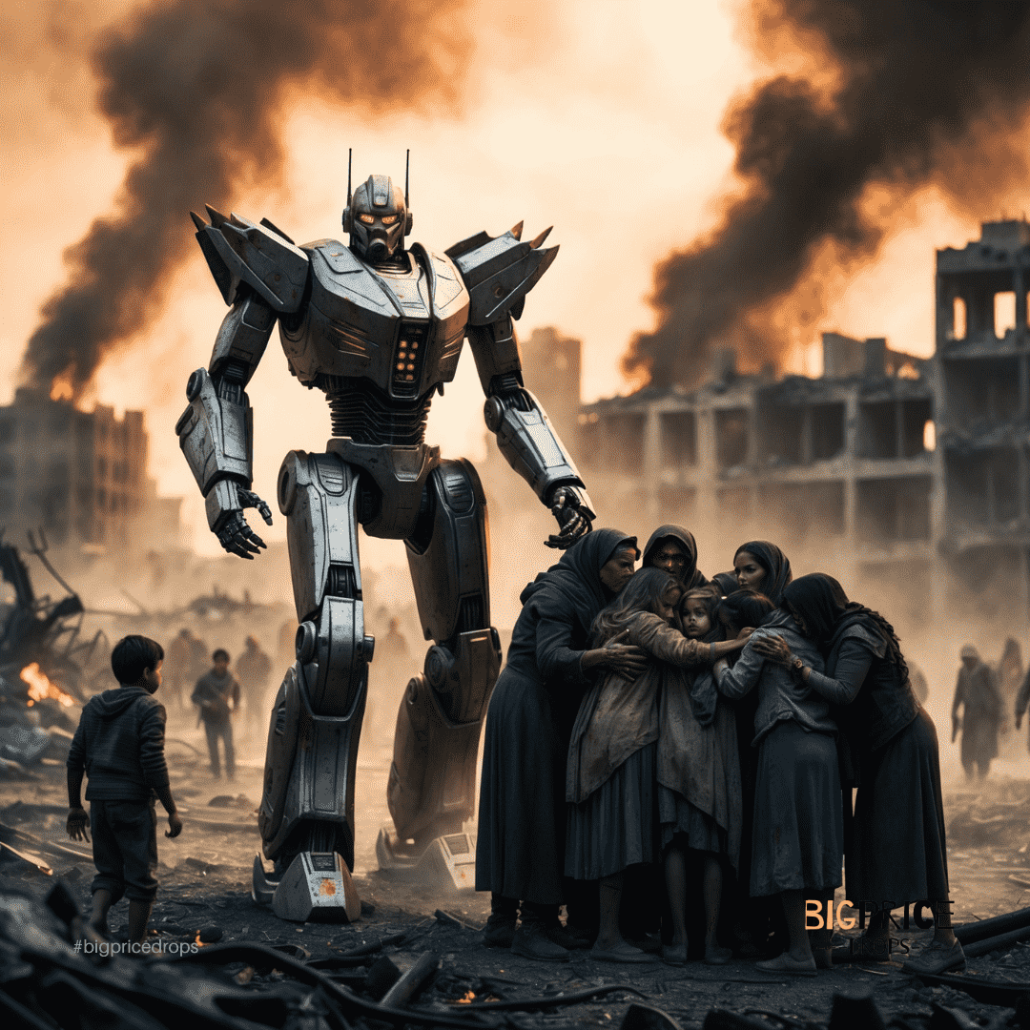
The Future of Warfare
Cyber Warfare
The future of warfare is increasingly digital. Cyber warfare poses significant threats to national security, targeting critical infrastructure and disrupting societies without traditional combat.
Currency Wars
Currency Wars, #ad also known as competitive devaluation, is a situation where countries compete to devalue their currencies to boost their export competitiveness and reduce trade deficits, often leading to economic instability and strained international relations.
More recently, the US government, have weaponised the Dollar, seize another nations assets and are using them against them in a proxy war.
Autonomous Weapons
The development of autonomous weapons systems, such as drones and robots, is transforming the battlefield. These technologies promise increased efficiency but also raise ethical and legal concerns about their use.
The Changing Face of Combat
As technology advances, the nature of combat is changing. Future wars may be fought with advanced robotics, artificial intelligence, and other emerging technologies, altering the landscape of conflict and its implications.
In Summary
The dichotomy of winners and losers in war is complex and multifaceted. While certain groups and industries may benefit, the human and environmental costs are often devastating and uncountable. But as we have seen many times before, when their debt based Ponzi scheme is under threat, they take us to war.
So, as we look to the future, it is crucial to strive for peaceful resolutions and mitigate the impacts of conflict through international cooperation and innovations outside the realms of central banks, like Bitcoin, gold and silver. A little peace could go a long way.
FAQs
How do political leaders benefit from war?
Political leaders can gain power and influence by rallying nationalistic support, consolidating their position, and diverting attention from domestic issues and their crimes.
What are the economic impacts of war on civilian populations?
War leads to casualties, displacement, and long-term economic burdens, including loss of infrastructure, reduced productivity, and healthcare costs for affected populations.
How does war affect technological advancement?
War drives innovation in military technology, leading to advancements that can be adapted for civilian use, such as radar, jet engines, and the internet.
Can international organisations effectively prevent wars?
While international organisations play a crucial role in conflict resolution and humanitarian aid, their effectiveness in preventing wars varies depending on the political and economic context.
What are the long-term environmental impacts of war?
War causes long-term environmental damage, including ecosystem destruction, land contamination, and loss of biodiversity, which can have lasting effects on human health and the environment.
Who Benefits When They Take Us to War? Follow the Money

Perry Stevens is the founder of BIGPriceDrops and a long-time digital marketer with a practical interest in helping UK shoppers find better value online. He focuses on clear, no-nonsense money-saving content, Amazon UK deal insights, and buyer guides that help readers spot genuine savings without falling for misleading discounts or impulse-buy traps.
When he is not working on BIGPriceDrops, Perry runs Blend Local Search Marketing and works on digital projects covering SEO, AI tools, and online business growth. His approach is simple: help people make smarter decisions before they spend their money.


Leave a Reply
Want to join the discussion?Feel free to contribute!