
How to Save Money Eating a Flexitarian Diet
If you’re looking for ways to stretch your sterling further, in this post we will share with you how to save money eating a flexitarian diet. It’s a great way to do it.
This isn’t just an environmentally conscious way of eating; it’s also a cost-effective one. Meat is expensive and forgoing for more plant-based foods can help you save on your grocery bill. But what does that mean? How much can you save?
Eating a flexitarian in meal plan diet is one of the best ways to save money, but it can be hard to do without eating out. Luckily, there are many ways to cook flexitarian meals at home. Here are our top tips on how to save money eating a flexitarian diet.
Cook at Home
Cooking at home is one of the most important things you can do if you want to save money while eating a flexitarian diet. This doesn’t mean that you must cook everything from scratch; it just means that you should cook as much as possible. When cooking at home, you’ll be able to control exactly what goes into your food and how much it costs. You’ll also know precisely what’s in your food because there won’t be any mystery ingredients or additives like preservatives or artificial colours and flavours.
Buy Local Produce
When buying products for your flexitarian recipes, look for seasonal items grown locally and organically, if possible. This way, you’ll get more bang for your buck and support local farmers who care about sustainability and quality over quantity or price alone! Buying local also helps reduce food miles by decreasing the distance between producer and consumer by as much as 1500 miles.
Try Meatless Mondays
Flexitarian diets don’t have to be expensive. You can even save money by cutting out meat once a week and eating vegetarian instead. Meat costs more than most other foods because it takes so much land and water to produce it – and that’s why many people choose to cut down on their meat consumption to save money on groceries. Meatless Mondays are a great place to start if you’re looking for ways to cut back on your meat consumption without giving up the taste entirely.
Buy Frozen Vegetables Instead of Fresh Ones
Frozen vegetables are often cheaper than fresh ones because they’ve been picked at the peak of ripeness and then frozen immediately to preserve their flavour and nutritional value. Buying frozen vegetables also gives you more flexibility in choosing when they’ll be used since they won’t spoil as quickly as fresh ones if left unrefrigerated for too long after purchase.
What Is the Flexitarian Diet?
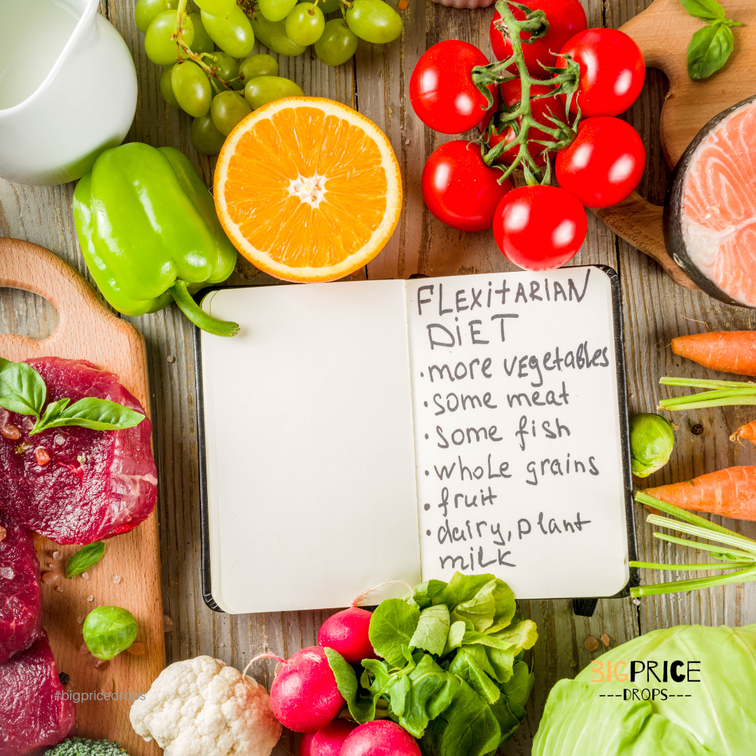
Flexitarianism is a dietary approach that promotes a plant-based diet that occasionally includes meat, fish, and poultry. It’s also known as “flexible vegetarianism,” “semi-vegetarianism,” or “veganism.” Flexitarians usually want to eat more healthfully but don’t want to give up all animal products entirely. Some flexitarians only eat meat on special occasions like holidays and family meals, while others only eat it once or twice a week.
Eating more plant-based foods can help you lower your risk of heart disease and type 2 diabetes by improving blood sugar control and reducing inflammation in the body. In addition, studies have found that following a flexitarian diet may help prevent weight gain due to overeating on high-calorie animal products.
Flexitarians tend to be more mindful about what they eat than omnivores because they pay close attention to their food choices and how they affect their health. For example, when choosing between two similar dishes – one with meat and one without.
We recommend The Flexitarian Cookbook: Adaptable recipes for part-time vegetarians and vegans.

Flexitarian Diet Food List
A flexitarian diet is a healthy diet. Eating a flexitarian style can lower your carbon footprint and help you lead a healthier lifestyle. Are you interested in becoming a flexitarian? Do you know there are some vegan substitutes for your regular food? Below is a list of flexitarian diet food:
- Fruity Bircher Muesli: This breakfast dish is so sweet and fruity that you won’t even realise it’s packed with veggies. Combining fresh fruits and nuts is a perfect way to start the day.
- Edgy Veggie Wraps: A perfect lunchtime solution, these wraps are packed with protein and flavour. You’ll never miss the meat in this recipe!
- Quinoa and Stir-Fried Veg: The combination of quinoa and stir-fried vegetables makes this dish an excellent option for vegetarians or vegans who want to add protein to their diet. It’s also packed with fibre, essential for good digestive health.
- Tomato and Watermelon Salad: This refreshing salad is the perfect side dish or snack on those hot summer days when you don’t want anything too heavy. It’s also great to get extra fruit in your diet if you’re trying to lose weight!
- Cannellini Bean Salad: A simple, savoury bean salad with protein and fibre.
- Spicy Tomato Baked Eggs: This spicy tomato-baked egg dish is packed with protein and fibre. It’s also gluten-free, dairy-free, and Paleo-friendly!
- Basil & Spinach Scramble: This high-protein breakfast can be made in less than 15 minutes! Perfect for busy mornings or weekend brunch. Great for meal prep too!
- Tangy Couscous Salad: This spicy couscous salad is packed with protein and veggies. It’s a delicious side dish or light lunch that can be made in under 30 minutes!
- Grilled Vegetables with Bean Mash: A quick, healthy vegetable side dish that will complement any grilled meat or fish during the summer.
- Greek Salad Omelette: This Greek salad omelette is a great way to start the day, packed with protein and healthy fats. The ingredients are simple and easy to find – it’s no wonder this dish is so popular!
- Tomato and Watermelon Salad: This tomato and watermelon salad is the perfect way to stay hydrated and get your five-a-day. Watermelons are rich in lycopene, a carotenoid linked to antioxidant health benefits. Lycopene has also been shown to help protect against heart disease, cancer, macular degeneration, and diabetes.
- Spicy Mediterranean Beet Salad: Beets are high in fibre, potassium, vitamin C, and folate, making them an excellent addition to any diet plan. This spicy beet salad is low in calories but high in flavour – perfect for vegetarians or flexitarians! If you want something less cheesy, try adding goat’s cheese instead of feta cheese.
Could Eating a Flexitarian Diet Save You Money?
A flexitarian lifestyle might be worth considering if you’re trying to cut back on the amount of meat in your diet. Flexitarians are people who eat a primarily plant-based diet, but they occasionally include meat in their meals. Flexitarianism can save you money by reducing the amount of meat you consume. “Flexitarians tend to spend less money per week on food than other groups because they eat less meat and more fruits and vegetables.” Some people who eat flexitarian diets choose to follow Meatless Mondays, which means they eliminate all meat from their diet one day per week. This makes sense if your grocery budget is tight, and you need to cut down on your spending without completely eliminating all protein sources from your diet.
We recommend The Flexitarian Cookbook: Adaptable recipes for part-time vegetarians and vegans.
Wrapping Up
The flexitarian diet allows you to enjoy your favourite food but in moderation. It is a diet that helps you to eat less meat and more vegetables and fruits. This diet also encourages eating fish and eggs instead of beef. Flexitarians eat meat only occasionally rather than daily. They consume fish, eggs, dairy products, vegetables, fruits, and grains. The main aim of having this diet in your supermarket is to reduce the intake of animal-based foods, thus resulting in a healthier lifestyle. A flexitarian diet is not just about saving money but also about reducing your carbon footprint on the planet by reducing your consumption of animal-based foods. Thus, if you are looking for ways to save money while still enjoying delicious food, then flexitarian lifestyle could be just what you need!
How to Save Money Eating a Flexitarian Diet

Perry Stevens is the founder of BIGPriceDrops and a long-time digital marketer with a practical interest in helping UK shoppers find better value online. He focuses on clear, no-nonsense money-saving content, Amazon UK deal insights, and buyer guides that help readers spot genuine savings without falling for misleading discounts or impulse-buy traps.
When he is not working on BIGPriceDrops, Perry runs Blend Local Search Marketing and works on digital projects covering SEO, AI tools, and online business growth. His approach is simple: help people make smarter decisions before they spend their money.




Leave a Reply
Want to join the discussion?Feel free to contribute!