
How to Save Money Preserving Food [6 Ways]
Being thrifty with your resources is a timeless virtue, particularly when it comes to food. It’s true that reducing food waste and maximizing your grocery budget can seem like a daunting task. Yet, understanding the underlying principles of food preservation can empower you, leading to significant savings over time. We’re here to provide you with some practical, straightforward advice to help you get started.
Remember, food is one of the biggest regular expenses we have, and learning to maximize it not only benefits our wallets, but also contributes to a sustainable lifestyle.
Listen to this article on the go! >>> How to Save Money Preserving Food <<<
Why Preserve Foods?
In essence, food preservation is a simple yet effective way to prolong the shelf life of food, retain its nutritional value, and reduce waste. In fact, preserving your food offers numerous benefits:
- Reduces Food Waste: The vast amount of food that goes to waste is alarming. By preserving food, you can help combat this global problem from your own kitchen.
- Saves Money: Preserving leftover food or excess produce will mean fewer trips to the grocery store, saving you money in the long run.
- Improves Nutrition: Many methods of food preservation maintain or even boost the nutritional value of your food, contributing to overall health.
- Aids Meal Planning: With preserved food at your disposal, meal planning becomes much easier. You’ll always have delicious ingredients on hand, ready for any meal.
Whilst doing a good thing for our planet, learning to preserve food also provides an intriguing journey into an age-old practice. So let’s dive in and explore how to save money preserving foods.
The average American household wastes about 25% of the food they purchase.
Learn How to Save Money on Preserving Food
The first step to saving money on food preservation is learning about the best options available to preserve it. There are many ways you can do this, but the most common and simplest method we found is dehydrating food. Dehydrated goods are shelf-stable and don’t require any special equipment or maintenance once they’re sealed in their bags. They’ll last for years without spoiling or needing refrigeration; all you have to do is store them properly!
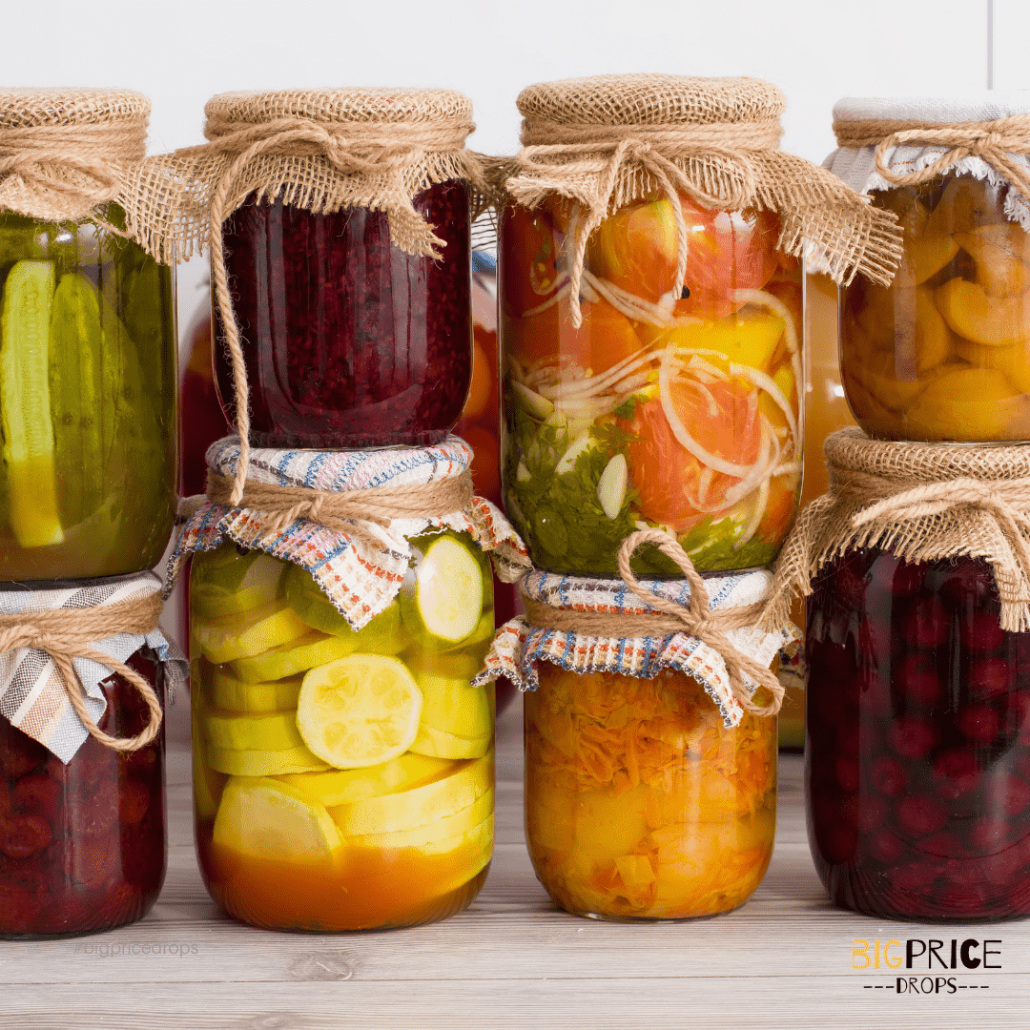
Can
Canning is an excellent way to preserve food and make it last longer. If you’re a beginner at canning, here’s a quick overview of what you need:
-
Canning equipment (a pressure cooker, Mason jars and lids)
-
A variety of fresh produce that can be safely canned include high-acid foods such as fruits, pickles, relishes, acidified tomatoes, jellies as well as yogurt, honey and jams.
Once you’ve got all your supplies together, follow these steps:
-
Clean and prepare your produce.
-
Prepare the canning jars by boiling them in hot water for 10 minutes to sterilise them, and then keep them in hot water until you need them.
-
Fill the jars with your prepared food and add hot liquid or syrup to cover the produce.
-
Screw on the lids tightly and place the jars in your pressure canner for at least 10 minutes (follow manufacturers instructions).
-
Remove the jars from the pressure cooker, let cool overnight and store in a dry place until ready to use.
Canning fruits and vegetables can extend their shelf life by up to 1-2 years.
Dry
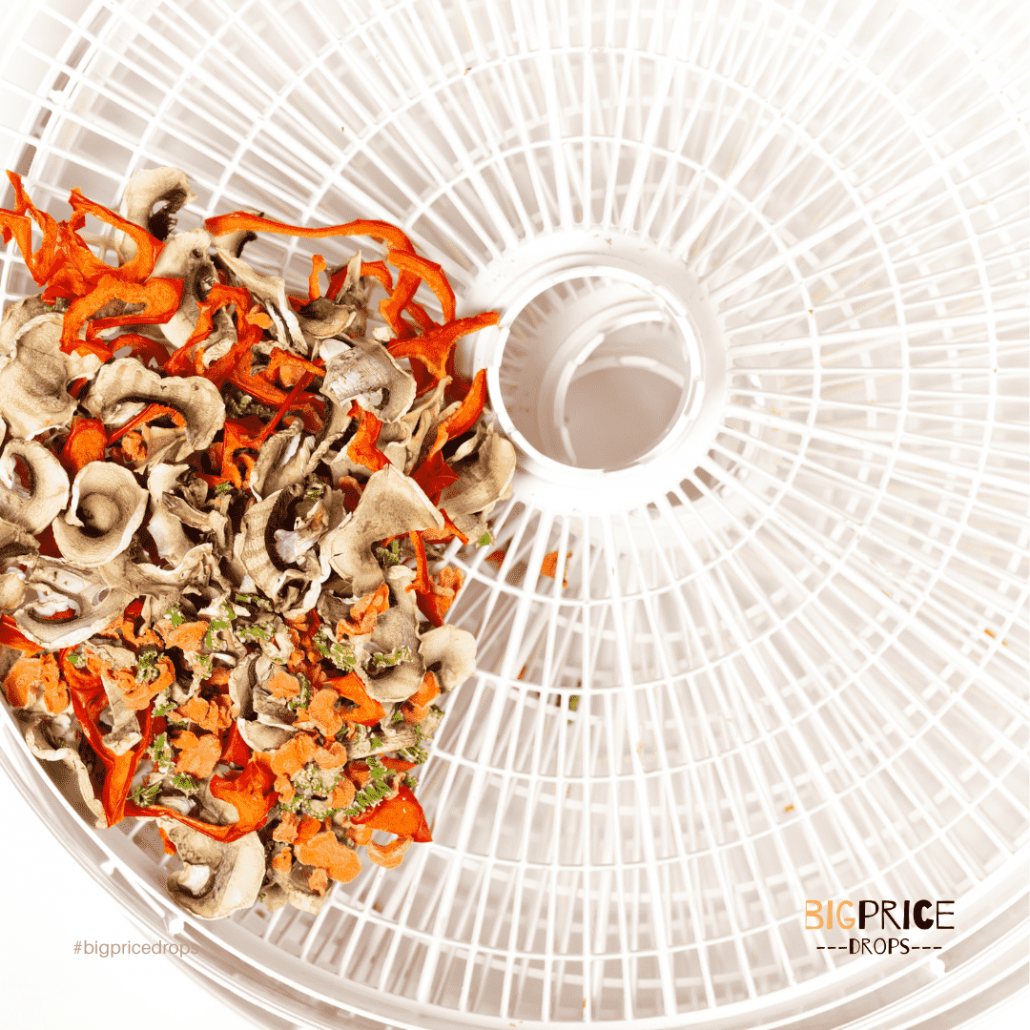
Drying is a very effective way to preserve food because it’s inexpensive and easy. Dried foods are lightweight, making them easy to store and transport. It’s wise to use a. food dehydrator that has a thermostat and a fan, so you can control the heat without having to check on your food constantly.
You can use a dehydrator to make fruit leathers, jerky and other snacks. Dehydrators are also very effective at preserving herbs, teas and vegetables that you grow in your garden. You’ll want to make sure you have enough room in the dehydrator for whatever you’re drying because it takes time for food to dry out completely.
Ferment
Fermentation is a form of food preservation that uses naturally occurring bacteria to break down the carbohydrates in foods. The process can be used to preserve almost any food, including vegetables and fruits.
Fermentation is especially popular in Asian countries like Korea and Japan where it’s common to add fermented foods like kimchi (a spicy pickled cabbage), miso soup or kombucha to your daily diet. This type of preservation has been around for thousands of years.
The process of fermentation is very similar to that of pickling or canning, although it doesn’t involve heat. This makes it an excellent option for preserving certain types of foods, particularly those that are low in acidity.
Freeze
Freezing is a very effective way to preserve food. It’s also easy to do! Here are some tips for freezing your favourite fruits, vegetables and other foods:
-
Freezing food in small portions is advisable. This allows you to take only what you need at any given time.
-
Make sure that all items are properly blanched before freezing them. This means bringing them up to temperature quickly (boiling or steaming) followed by an ice bath so they’re cooled down quickly again before packaging in airtight containers or bags.
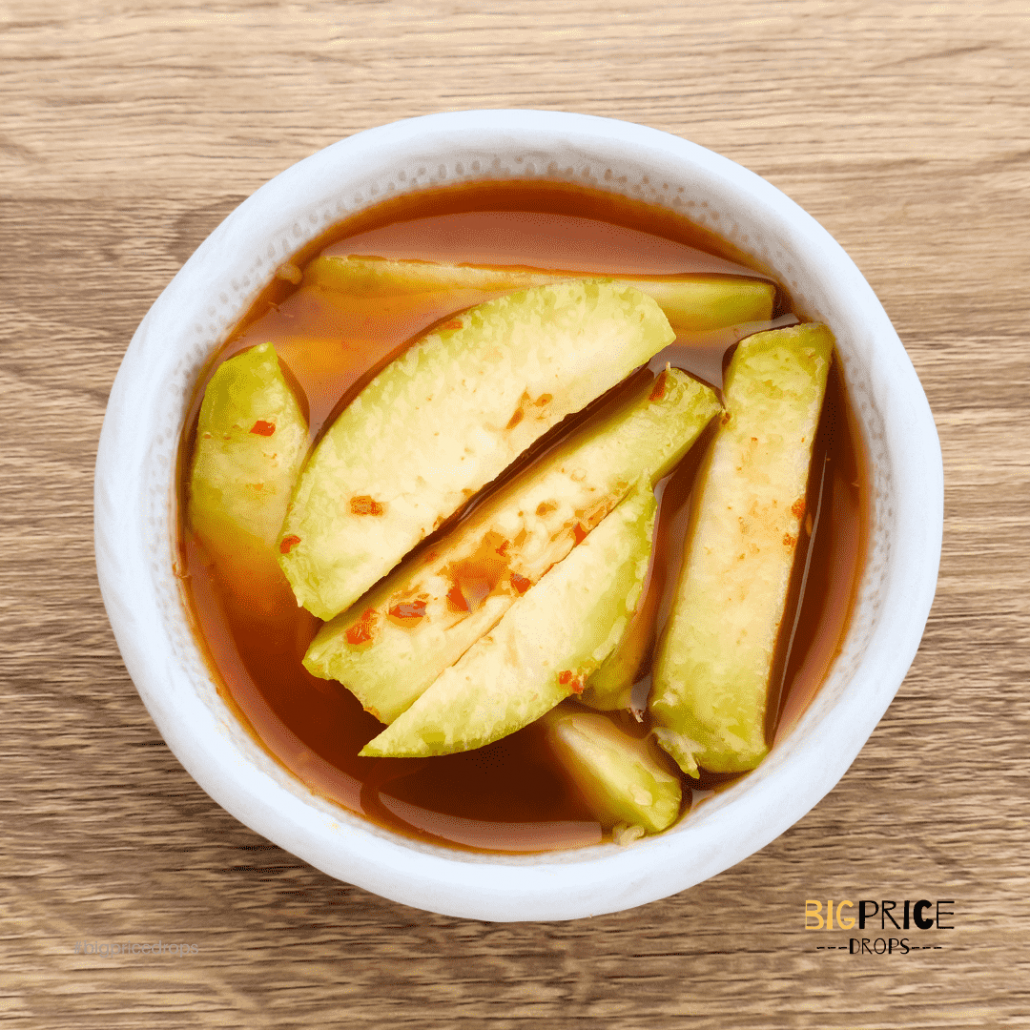
Freezing food can help retain its nutritional value for up to 8-12 months.
Pickle
What is pickling? Pickling is a process of preserving food by soaking it in brine, which is a solution containing salt and water. The acidity of the vinegar and the salt help to prevent bacterial growth and help keep food from spoiling.
Pickling is also a delicious way to preserve food, especially vegetables.
You can pickle almost anything that grows in the ground or in water: cucumbers, carrots, onions, garlic and ginger root (which are technically rhizomes), radishes and beets, even cabbage! You can also do it with meats like beef or venison (deer).
If you’re interested in trying this method out for yourself but aren’t sure where to start or what equipment would be best suited for your needs then check out this canning supplies starter kit on Amazon. It’s got everything you need to start preserving food at home like a boss!
Preserve in Oil
Preserving food in oil is one of the most convenient ways to save money and it’s easy to do.
The process is simple: you simply place your chosen food in a jar, cover it with oil, seal the jar and store in a cool place for months or even years.
You can preserve almost any type of vegetable or fruit this way from tomatoes to carrots and onions, and keep them fresh for months on end!
Stats
1. Americans spend an average of $4,363 per year on food.
2. The average freezer can save households hundreds of dollars in food costs.
3. The U.S. Department of Agriculture reports that an average family of four can save $1500 or more per year by using their freezer for food storage.
4. Food preservation is the practice of treating and handling food in such a way as to prevent or slow down the growth of microorganisms and decay.
5. Canning is an economical method of preserving foods. It prevents the growth of microorganisms and prevents food spoilage.
6. According to the USDA, the average cost of canned goods is 1/3 to 1/2 the cost of the same food purchased fresh.
7. By preserving fruits and vegetables in their peak season, consumers can save up to 25 percent of their food budget.
8. Freezing is a cost effective and easy way to preserve food.
9. Freezing food at 0°F or colder prevents the growth of microorganisms and keeps food at the peak of quality.
10. A vacuum sealer is an effective method for preserving food for up to 5 times longer than traditional storage methods.
11. Food dehydrators allow foods to retain most of their nutrients while eliminating moisture.
12. Curing meats and fish is an effective way to make them last up to 6 months in the refrigerator.
13. Pickling is a method of preserving food by immersing it in a brine solution, which prevents the growth of bacteria and keeps the food from spoiling.
14. Smoking foods is another form of preservation, as it reduces the oxygen level and stops the growth of bacteria.
15. Salting is an effective way of preserving foods, as it inhibits the growth of microorganisms.
16. Jams and jellies can be preserved by adding sugar, which prevents the growth of microorganisms.
17. Fermenting is a traditional method of preserving food, and it has been used for centuries.
18. Drying is a natural way to preserve foods, as it removes moisture from the food which prevents the growth of bacteria.
19. Root cellaring is a type of food storage method that uses cool temperatures and high humidity to preserve food.
20. Pressure canning is an important technique for preserving low-acid foods, such as vegetables, meat, fish, and poultry.
Using a vacuum sealer can extend the shelf life of food by 3-5 times.
Final Thoughts on Saving Money with Food Preservation
In conclusion, adopting effective food preservation techniques is a practical, economical method to stretch your meals and reduce food waste. It embraces age-old practices, nurtures sustainability, and cultivates a healthier lifestyle. As you delve into these methods, your culinary world expands, and in the process, you steadily build up your savings. Embrace the art of food preservation and invite long-term financial and health benefits into your life.
How to Save Money Preserving Food

Perry Stevens is the founder of BIGPriceDrops and a long-time digital marketer with a practical interest in helping UK shoppers find better value online. He focuses on clear, no-nonsense money-saving content, Amazon UK deal insights, and buyer guides that help readers spot genuine savings without falling for misleading discounts or impulse-buy traps.
When he is not working on BIGPriceDrops, Perry runs Blend Local Search Marketing and works on digital projects covering SEO, AI tools, and online business growth. His approach is simple: help people make smarter decisions before they spend their money.


Leave a Reply
Want to join the discussion?Feel free to contribute!