Minimalist Lifestyle: Simplifying Your Life for Greater Happiness
If you’re feeling overwhelmed by the clutter and chaos of modern life, a minimalist lifestyle might be just what you need. Minimalism is not about deprivation or living without possessions. It is about finding the right balance between what you own and what you need. By simplifying your life, you can free up time and energy to focus on the things that matter most to you.
As a younger man, I decided to sell up and move from London and live on the other side of the world to reduce my living costs and bootstrap a company. As Chuck Palehnink wrote in Fight Club “The things you own end up owning you“. I can certainly attest to that.
All the possessions I had accumulated and put great value on, the things I worked long and hard for were essentially worthless when the time came to move on, they had little to no resale value. Many of the consumables I couldn’t even give away.
Letting go of it all turned out to be a very cathartic experience and a positive turning point in my life. It was like lifting a weight of my shoulders and gaining a ton of freedom.
Minimalism is a way of life that can reduce stress, increase productivity, and improve your overall well-being. It’s about being intentional about your choices and cutting out excess to make room for what truly matters. Whether you’re looking to declutter your home, simplify your schedule, or streamline your finances, there are many benefits to adopting a minimalist lifestyle.
The things you own end up owning you. It’s only after you lose everything that you’re free to do anything. – Chuck Palahniuk (Fight Club)
What is a Minimalist Lifestyle?
A minimalist lifestyle is all about simplifying your life and focusing on the things that truly matter to you. It involves reducing clutter and excess possessions, simplifying your schedule, and being intentional with your choices to create more space for the things that bring you joy and fulfilment. Simply put it’s a case of less is more.
Minimalism is not a lack of something. It’s simply the perfect amount of something. – Nicholas Burroughs
Defining Minimalism
Minimalism is a philosophy that can be applied to many areas of your life, from your possessions to your relationships to your daily routine. At its core, minimalism is about simplifying your life and removing anything that doesn’t add value or meaning.
When it comes to your possessions, minimalism means having only the things you need and love. This can be accomplished by decluttering your home and getting rid of anything that no longer serves a purpose or brings you joy. It can also mean being more intentional about your life, and choosing quality over quantity.
Minimalism can also apply to your relationships and social life. It means surrounding yourself with people who lift you up and bring positivity into your life. It also means letting go of toxic relationships that drain your energy and happiness.
Finally, minimalism can be applied to your daily routine and habits. It means simplifying your schedule and focusing on the things that truly matter. This is better than getting bogged down in everyday life. It means being intentional about how you spend your time and energy. It also means making sure that you prioritise the things that bring you the most joy and fulfillment.

To illustrate this proposal, we used data from two studies, which suggest that the two dimensions of minimalist well-being (i.e., gratitude and peaceful disengagement) are distinct in both Japan and the USA. – Chiemi Kan et al. “Minimalist in Style: Self, Identity, and Well-being in Japan.” Self and Identity, 8 (2009): 300 – 317. https://doi.org/10.1080/15298860802505244.
Benefits of a Minimalist Lifestyle
Physical Benefits
Living a minimalist lifestyle has numerous physical benefits. One of the most significant benefits is that it reduces clutter and makes your living space more organised. This can make it easier to find things and reduce cleaning and tidying time. A minimalist home can also be easier to maintain, saving time and energy.
Minimalism can also help you live a healthier lifestyle. By reducing the number of possessions you own, you may be more likely to engage in physical activities such as yoga or running. Additionally, a minimalist diet can help you maintain a healthy weight and improve your overall health.
Mental Benefits
Minimalism can significantly affect your mental health. By reducing clutter in your life, you may feel less stressed and more relaxed. A minimalist lifestyle can also help you focus on the things that are truly meaningful to you. This includes spending time with loved ones or pursuing your passions.
Minimalism can also save money and reduce financial stress. By living a simpler life, you may be less likely to spend money on unnecessary items. You may also be more likely to save for the things that truly matter to you. This can reduce financial stress and give you a greater sense of personal security.
Overall, a minimalist lifestyle can benefit your physical and mental health. By reducing clutter and simplifying your life, you can enjoy greater peace of mind, improved health, and a greater sense of purpose.
The minimalist lifestyle is not about removing things you love. It’s about removing the things that distract you from the things you love. – Joshua Becker
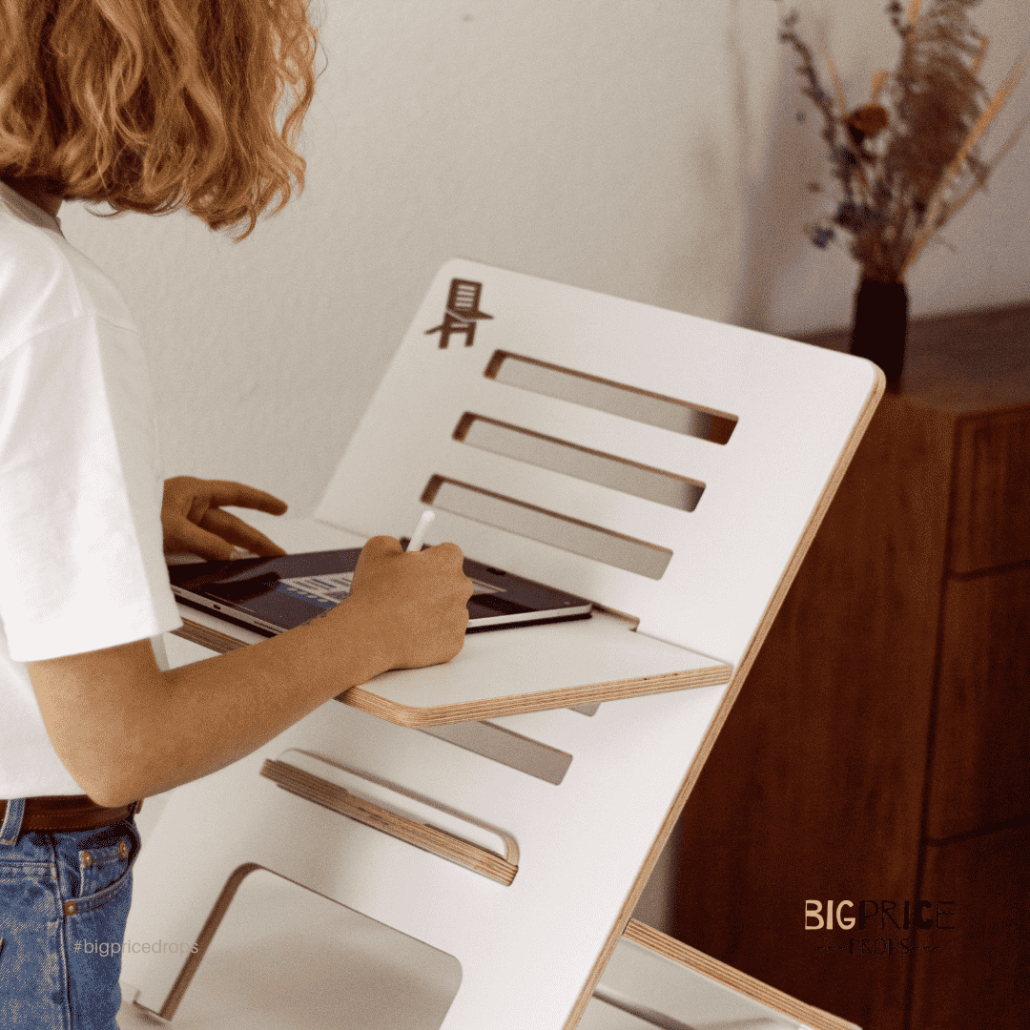
According to a study, people who live in cluttered homes are more likely to experience stress, fatigue, and depression.
FAQs
How do I live a minimalist lifestyle?
To start living a minimalist lifestyle, begin by decluttering your possessions and getting rid of anything that no longer serves a purpose or brings you joy. Simplify your schedule and focus on the things that truly matter to you, such as spending time with loved ones or pursuing your passions. Be intentional with your choices and focus on creating a life that brings you joy and fulfilment.
Can a minimalist lifestyle save money?
Yes, a minimalist lifestyle can help you save money by reducing unnecessary purchases and encouraging you to focus on the things that truly matter to you. By living a simpler life, you may be more content with what you already have. You may also be less likely to spend money on unnecessary items.
Is a minimalist lifestyle suitable for everyone?
While a minimalist lifestyle can benefit many people, it may not be suitable for everyone. It requires a significant shift in mindset and lifestyle, and some people may find it difficult to let go of possessions or simplify their lives. However, anyone can benefit from adopting some of the principles of minimalism, such as reducing clutter and being more intentional with their choices.
What are the benefits of living a minimalist lifestyle?
Living a minimalist lifestyle can have numerous benefits, including reduced stress and increased productivity, improved mental and physical health, and greater financial security. By focusing on the things that truly matter to you and simplifying your life, you can enjoy greater peace of mind and a greater sense of purpose.
Are you living a minimalist lifestyle? Share your experiences in the comments below or subscribe and post on our forum.
Minimalist Lifestyle: Simplifying Your Life for Greater Happiness

Perry Stevens is the founder of BIGPriceDrops and a long-time digital marketer with a practical interest in helping UK shoppers find better value online. He focuses on clear, no-nonsense money-saving content, Amazon UK deal insights, and buyer guides that help readers spot genuine savings without falling for misleading discounts or impulse-buy traps.
When he is not working on BIGPriceDrops, Perry runs Blend Local Search Marketing and works on digital projects covering SEO, AI tools, and online business growth. His approach is simple: help people make smarter decisions before they spend their money.


Leave a Reply
Want to join the discussion?Feel free to contribute!