
How to Save Money and Conserve Water by Rainwater Harvesting
Rainwater harvesting, a sustainable method with significant environmental benefits, promotes water conservation, opens doors for monetary savings, and fosters self-sustainability. By serving multiple household needs, it can reduce dependence on the public water supply, leading to sizable long-term savings.
Additionally, harvesting rainwater eases pressure on freshwater sources, contributing to ecosystem conservation and biodiversity preservation. The practice also offers an alternative water source, fostering self-reliance and environmental responsibility.
Interesting Stats
1. Rainwater harvesting has been used since ancient times.
2. Rainwater harvesting can reduce the pressure on municipal water supplies.
3. Rainwater harvesting can be used for both long-term and short-term water storage.
4. Rainwater harvesting can help reduce water bills.
5. Rainwater harvesting systems can reduce runoff from urban areas.
6. Rainwater harvesting can help reduce stormwater pollution.
7. Rainwater harvesting can reduce erosion in urban and rural areas.
8. Rainwater harvesting can reduce the urban heat island effect.
9. Rainwater harvesting can reduce the risk of flooding.
10. Rainwater harvesting can provide a dependable source of water in arid regions.
11. Rainwater harvesting can reduce groundwater pumping costs.
12. Rainwater harvesting can increase groundwater recharge rates.
13. Rainwater harvesting systems can be scaled to meet individual needs.
14. Rainwater harvesting systems require minimal maintenance.
15. Rainwater harvesting systems are easy to install.
16. Rainwater harvesting systems can minimize water treatment costs.
17. Rainwater harvesting systems can be used to irrigate crops.
18. Rainwater harvesting can reduce sediment runoff and improve water clarity.
19. Rainwater harvesting can increase community awareness of water conservation issues.
20. Rainwater harvesting systems can be integrated with solar and wind energy systems.
Rainwater harvesting can reduce water bills by up to 50%.
Learn How Rainwater Harvesting Can Save Money, Conserve Water, and Benefit the Environment
In an era where sustainability and the preservation of our environment have taken center stage, rainwater harvesting presents itself as a remarkably efficient solution. This practice transcends the basic concept of water conservation, opening avenues for monetary savings and self-sustainability. It also holds significant environmental benefits that contribute significantly to the betterment of our planet. A simple act of collecting rainwater can make a massive difference in our water conservation efforts, guiding us towards a sustainable, lush, and greener future.
The water you touch in a river is the last of that which has passed, and the first of that which is coming. Thus, it is with time present.
– Leonardo da Vinci
The Benefits of Rainwater Harvesting
Rainwater harvesting comes packed with a plethora of benefits that extend beyond just water conservation. Here are some of the key benefits encapsulated in this practice:
Save Money
One of the most immediate and tangible benefits of rainwater harvesting is the money-saving potential it holds. As rainwater can serve a multitude of household needs ranging from watering plants and cleaning to flushing toilets, it can substantially reduce our reliance on the public water supply. This can lead to significant cuts in the water bill, paving the way for substantial long-term savings.
Conserve Water
With water scarcity becoming an increasingly worrying global issue, the spotlight on rainwater harvesting has never been brighter. Capturing and using rainwater for non-potable purposes can ease the pressure on our freshwater sources. This practice forms a crucial part of water conservation strategies that aim to preserve natural ecosystems, maintain biodiversity, and secure a sustainable water supply for future generations.
Promote Self-Sustainability
In addition to saving money and conserving water, rainwater harvesting also promotes self-sustainability. It provides an alternative source of water that is not dependent on the public supply. This aspect becomes incredibly crucial during periods of drought and water restrictions, when water availability can be a serious threat. Having a personal rainwater harvesting system ensures a reliable source of water for essential needs, even under challenging circumstances.
Better for Plants
While most plants don’t mind tap water, rainwater is a better long-term solution to their needs. It is naturally soft, slightly acidic, and contains dissolved nitrogen while being salt, fluoride, and mineral-free.
Water, the Hub of Life. Water is its mater and matrix, mother and medium. Water is the most extraordinary substance! Practically all its properties are anomalous, which enabled life to use it as building material for its machinery. Life is water dancing to the tune of solids.
– Albert Szent-Gyorgyi
What are the different methods of rainwater harvesting?
When it comes to rainwater harvesting, there isn’t one-size-fits-all kind of solution. Instead, there are several different methods you can adopt, each suited to different situations and purposes. Let’s look at what these methods are.
Roof-Based Rainwater Harvesting
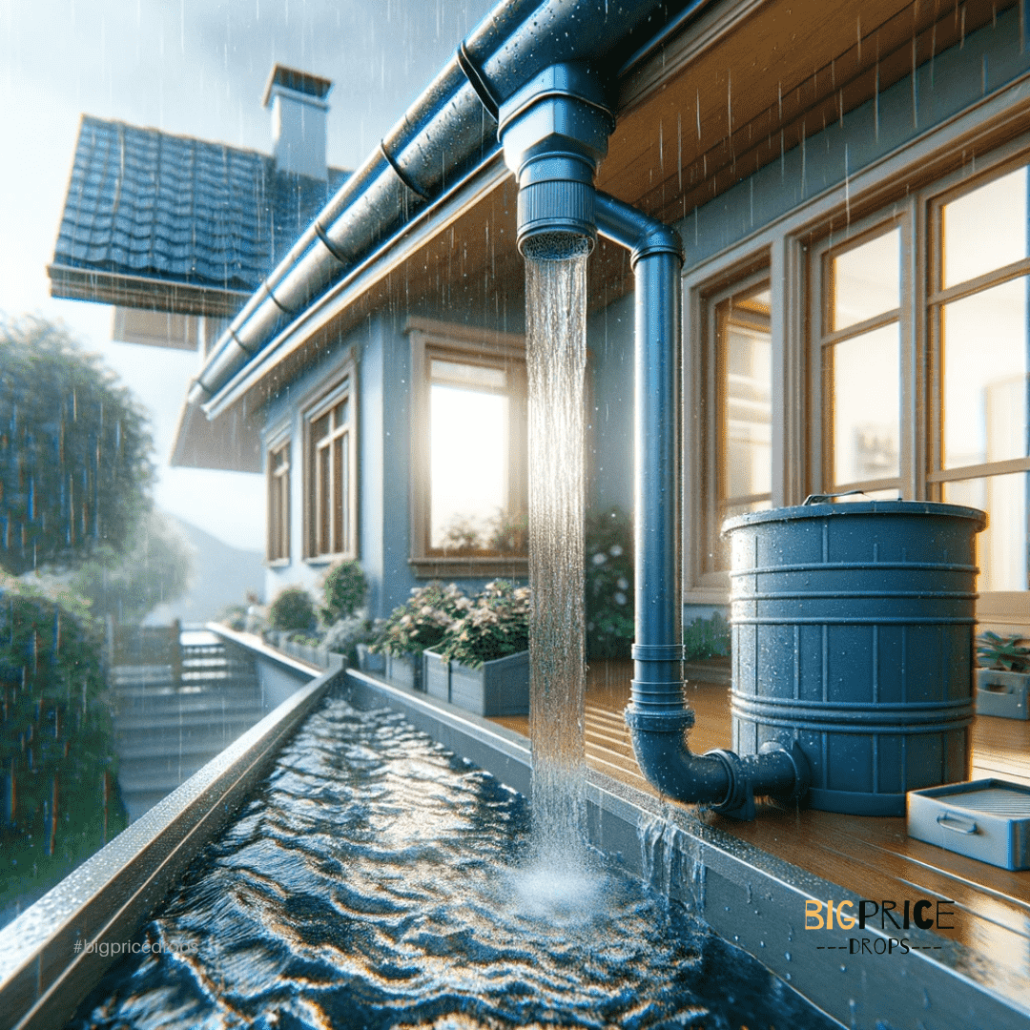
This method, as the name suggests, involves capturing rainwater directly from your roof. The roof acts as the catchment area, and the rainwater is collected in gutters before being stored in a tank. Here’s the winning point: This is one of the simplest and most cost-effective methods of rainwater harvesting. If your house already has gutters, then you just have a halfway home!
Surface Runoff Harvesting
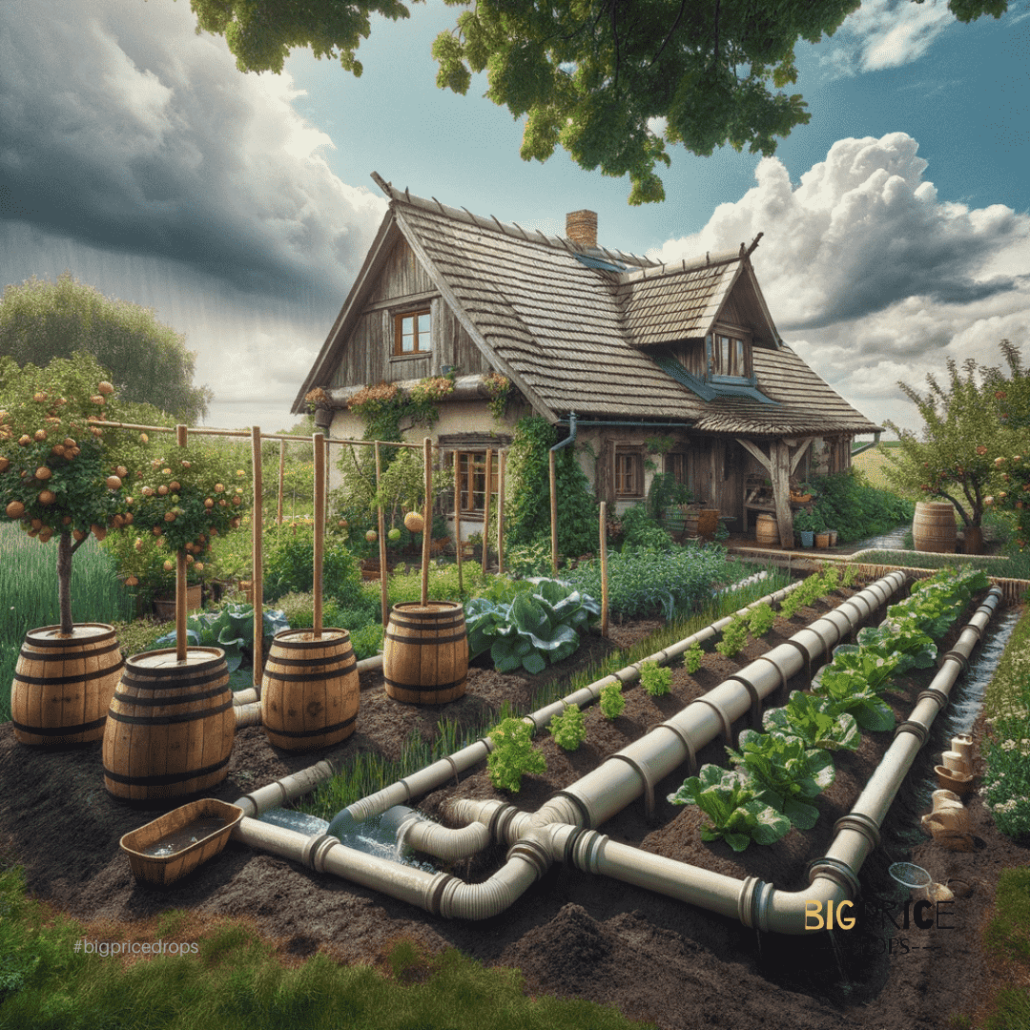
Are you wondering what to do when rainwater hits the ground? Let me introduce you to the surface runoff harvesting. It pertains to collecting and storing rainwater that has already fallen to the ground. The water can be collected in a variety of ways such as through channels and drains or through direct storage into ponds or reservoirs. It’s a brilliant method if you have a large area of land.
Rainwater Dams and Reservoirs
Did you know? Large scale versions of surface runoff harvesting exist and they’re called rainwater dams and reservoirs! These are man-made structures designed to catch and store large quantities of surface runoff. It doesn’t get any grander than this, does it?
| Type of Method | Advantage | Disadvantage |
|---|---|---|
| Roof-Based Rainwater Harvesting | Simple and cost-effective | Requires existing guttering |
| Surface Runoff Harvesting | Uses large land areas effectively | Needs detailed planning and construction |
| Rainwater Dams and Reservoirs | Stores large quantities of water | Expensive and requires extensive space |
Tips for Maintaining Your Rainwater Harvesting System
Just as crucial as it is to have a rainwater harvesting system, it is equally important to ensure its efficiency and longevity through proper maintenance. Here are some tips to help:
Regular Cleaning
Cleanliness is paramount when it comes to rainwater harvesting systems. Regularly cleaning your gutters, downspouts, and storage tanks will help remove debris and contaminants that might accumulate over time. This not only prevents clogging but also ensures that the quality of the collected rainwater is maintained.
Inspect for Leaks
Make sure to regularly inspect your rainwater harvesting system for any leaks or damages. Timely identification and rectification of issues can prevent water loss, thereby maintaining the effectiveness of your rainwater harvesting system.
Filter Maintenance
If your rainwater harvesting system includes filters, it is essential to clean or replace them as per the manufacturer’s recommendations. Clean filters result in better water quality and prevent clogging, ensuring the smooth functioning of your system.
Monitor Water Levels
Keeping a close eye on the water levels in your storage tanks will allow you to manage your water usage effectively. This practice ensures that you always have an adequate supply of water when needed.
Consider Seasonal Changes
Seasonal variations in rainfall should be considered when using your harvested rainwater. During dry seasons, curtail non-essential water usage and prioritise essential needs to maximise the utility of your stored rainwater.
Rainwater harvesting can save up to 29,000 gallons of water per year for an average household.
Start Collecting Rainwater Today!
Moving towards rainwater harvesting is a proactive step in conserving water, saving money, and promoting self-sustainability. It’s about time to start collecting rainwater and making significant contributions towards a greener future. Remember, every drop counts, and every effort matters!
TL:DR Here’s the Key Takeaways
- Rainwater harvesting can save money by reducing reliance on the public water supply and cutting water bills.
- It helps conserve water by easing the pressure on freshwater sources and contributing to water conservation strategies.
- Rainwater harvesting promotes self-sustainability by providing an alternative source of water that is not dependent on the public supply.
- Regular cleaning, inspecting for leaks, maintaining filters, monitoring water levels, and considering seasonal changes are essential for maintaining a rainwater harvesting system.
- Collecting rainwater is a proactive step towards conserving water, saving money, and promoting a greener future.

Rainwater harvesting can reduce stormwater runoff by up to 90%.
FAQ
How does rainwater harvesting contribute to cost savings?
Rainwater harvesting reduces reliance on public water supplies, leading to significant savings on water bills. By using collected rainwater for various household needs like watering plants, cleaning, and flushing toilets, the demand on the metered supply decreases, directly reducing your water expenses.
Can rainwater harvesting positively impact the environment?
Yes, it plays a crucial role in conserving natural freshwater sources, easing pressure on these ecosystems. It helps maintain biodiversity and supports sustainability by reducing the demand for treated water, thereby conserving energy and resources used in water treatment and distribution.
Is rainwater safe for all household uses?
Rainwater is suitable for many non-potable purposes, including gardening, cleaning, and toilet flushing. However, for drinking and cooking, it should be properly treated and filtered to ensure safety, as rainwater can collect pollutants and debris as it falls.
What are some essential maintenance tips for a rainwater harvesting system?
Regular maintenance includes cleaning gutters, downspouts, and storage tanks to remove debris, inspecting for leaks or damages, maintaining filters as per manufacturer guidelines, monitoring water levels, and adjusting usage based on seasonal rainfall variations to ensure system efficiency and longevity.
How does rainwater harvesting promote self-sustainability?
It provides an alternative, independent water source, especially crucial during droughts or water restrictions. This self-reliance reduces dependence on public water systems and ensures a consistent supply of water for essential household needs, even in challenging circumstances.
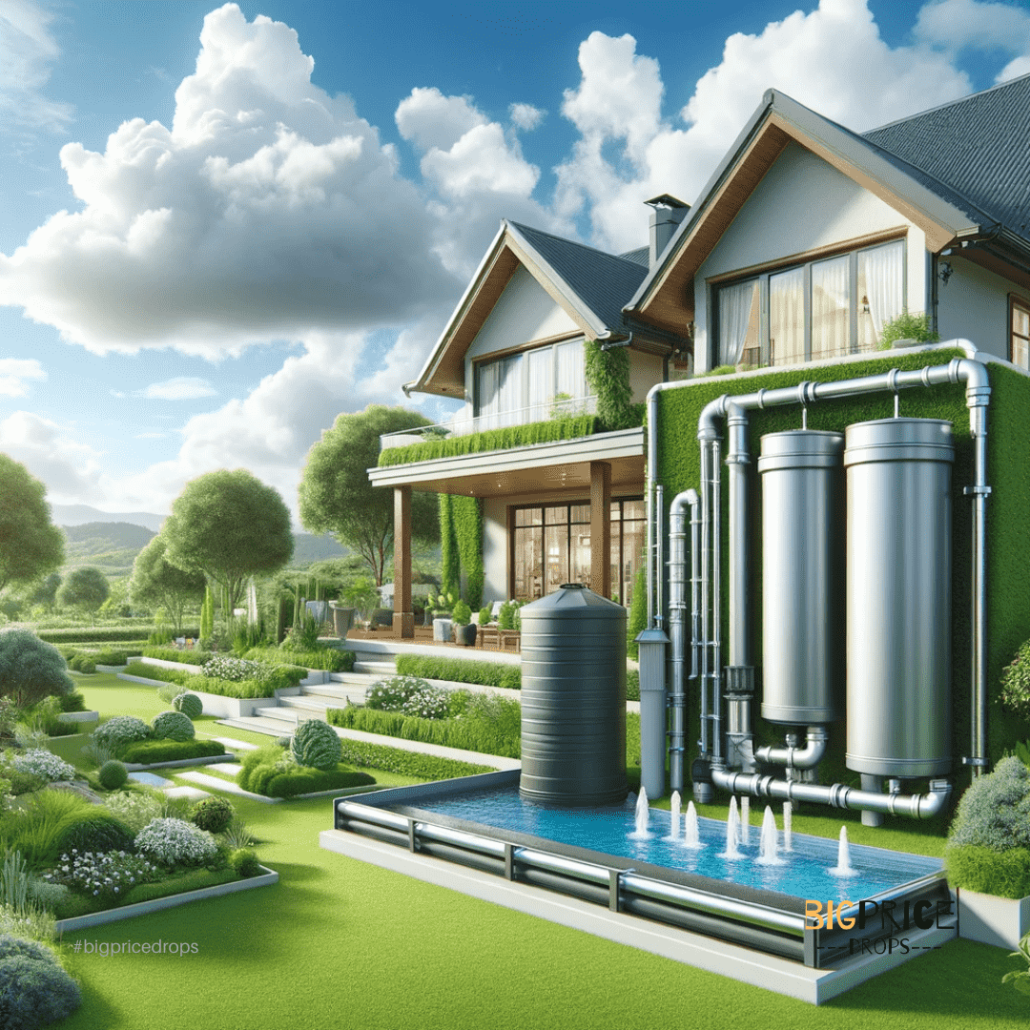
In the grand scheme of water conservation and sustainability, it’s worth noting the potential of rainwater harvesting to alleviate the problems associated with water scarcity. Rainwater harvesting not only allows us to conserve water, but it also lessens the demand on our public water supply, thus decreasing our water footprints. Moreover, the money-saving aspect of this practice is an added benefit that should not be overlooked. It’s a clear example of an environmentally friendly approach that is also economically beneficial.
From a new perspective, rainwater harvesting can be thought of as a practical response to the challenge posed by ever-changing climatic conditions. Recent climate science models suggest that periods of drought and water scarcity are likely to become more frequent and severe. Whether these predictions are true or not. In this context, rainwater harvesting can serve as an effective adaptive strategy, providing a reliable alternative source of water and self-sufficiency during periods of drought or government restrictions.
Furthermore, the maintenance of rainwater harvesting systems is an essential aspect that ensures the longevity and efficiency of the practice. It serves as an interactive point with the system, allowing individuals to engage more deeply with the process of water conservation. It makes water conservation a more tangible and personal practice, which can ultimately lead to a higher level of environmental consciousness. This shift in mindset may have broader implications for other sustainable practices, thus contributing towards a greener future in a more holistic manner.
How to Save Money and Conserve Water by Rainwater Harvesting

Perry Stevens is the founder of BIGPriceDrops and a long-time digital marketer with a practical interest in helping UK shoppers find better value online. He focuses on clear, no-nonsense money-saving content, Amazon UK deal insights, and buyer guides that help readers spot genuine savings without falling for misleading discounts or impulse-buy traps.
When he is not working on BIGPriceDrops, Perry runs Blend Local Search Marketing and works on digital projects covering SEO, AI tools, and online business growth. His approach is simple: help people make smarter decisions before they spend their money.


Leave a Reply
Want to join the discussion?Feel free to contribute!