
10 Ways How to Save Money on Energy Bills?
In 2018, the staggering sum of £46.3 billion was expended on energy in the United Kingdom, with an average household relinquishing £1,074 of their annual budget on energy bills. Over the previous decade, energy prices in the UK experienced a significant hike, averaging a 40% increment. Evidentially, there’s a need to introduce effective measures to not only curtail these expenditure but also to minimize unnecessary waste associated with inefficient energy consumption.
Approximately 30% of home energy consumption is squandered through the use of inefficient appliances, a phenomenon that contributes to more than just financial losses. Specifically, UK’s CO2 emissions, with 407 million tonnes recorded in 2018, were largely the result of this inefficient energy use.
What Are The Most Common Sources Of Energy Consumption In Households?
To better understand how to save money on energy bills, it is essential to identify the most common sources of energy consumption in households. They largely contribute to energy expenses and are often overlooked. Let’s analyze these areas and the role they play in energy consumption.
Heating and Cooling Systems
Undoubtedly, one of the most common energy consumers in most households is the heating, ventilation, and air conditioning (HVAC) system. According to the U.S. Department of Energy, these systems may account for as much as half of a home’s total energy usage. Previous decades’ units are usually less efficient than their modern counterparts, and hence, replacing or upgrading these systems can lead to substantial energy savings over time.
Water Heating
Water heating is another primary energy consumer in households. Whether you’re washing dishes, doing laundry, or taking a shower, you typically need hot water for various everyday tasks. Energy is required to heat that water, and significant savings can be made by using energy-efficient water heaters or reducing the temperature set point on your existing unit.
Household Appliances
Conventional household appliances, such as refrigerators, washing machines, dryers, dishwashers, and electric ovens, also contribute significantly to the overall energy consumption. Their energy use largely depends on their efficiency level, frequency of use, and the care taken in their use and maintenance. Choosing energy-efficient appliances and using them wisely could translate into meaningful energy savings.
Lighting
The role of lighting in energy usage shouldn’t be overlooked. Though they may not consume as much energy as HVAC systems or water heaters, lighting systems can still add considerably to your energy bill, particularly if you’re using outdated incandescent bulbs. Switching to LED or CFL bulbs can largely decrease your energy expenditure on lighting.
Standby Power
It may be surprising, but electronics on standby, also known as “energy vampires,” consume a substantial amount of energy. These include devices and appliances that continue to draw power even when they’re switched off or not in use, such as televisions, computers, game consoles, and cable boxes. Being mindful of these power drains and unplugging them when they’re not in use can help reduce energy expenses.
The greatest threat to our planet is the belief that someone else will save it.
– Robert Swan
How Do We Save Money on Heating?
If you live in a cold home, you may be forced to increase the heat you use during winter because naturally, your family needs to stay warm.
This is a more pronounced problem with the less wealthy in our society, it’s a widespread issue. We need to change this and one way of doing this is by making our homes more energy efficient.
One way to reduce your energy bills is by using insulation and weather stripping throughout our homes so that heat can not escape outside. It’s also essential for window coverings to be used when it’s cold outside, insulating your home from the elements.
How Could I Save Money on Electricity Bills?
1. Use Ceramic Heating Elements
Many people favour ceramic heating elements due to their efficiency and value. With modern technology and improved materials, these elements are far more affordable than they were in the past. As a result, they tend to be less expensive than electric heating elements, but they are still a significant investment that will reduce your electricity bills in the long run.
Heating and cooling account for about 48% of the energy use in a typical home.
2. Install a Programmable Thermostat
This is one of the best ways to save on energy bills, especially if you live in an older home or haven’t upgraded your thermostat for quite some time. If you don’t know how to use a programmable thermostat, then we suggest you take your time and research the best one for your home and lifestyle.
You can also get an energy monitor to keep track of the use of electricity throughout the day.
3. Increase Your Height
If you want to save money on your bills, then make sure to keep a low profile; this means not opening all your windows and doors when heating your home or turning on heating appliances. Instead, try to limit your spending and close the windows when you need too.
4. Install Insulated Doors
Insulated doors will help dramatically reduce your bills because it reduces the amount of energy consumed by heating them up when it’s cold outside.
5. Use Inverters
An inverter allows you to draw power from a battery, which is much more economical than drawing power from the main supply. This is another good way to save on energy bills because you can save energy when there is no use of electricity.
This means that even if you use an appliance when the sun isn’t shining, your electricity bill will still be lower than it would be otherwise because of how this system works.
6. Install an Energy Monitor
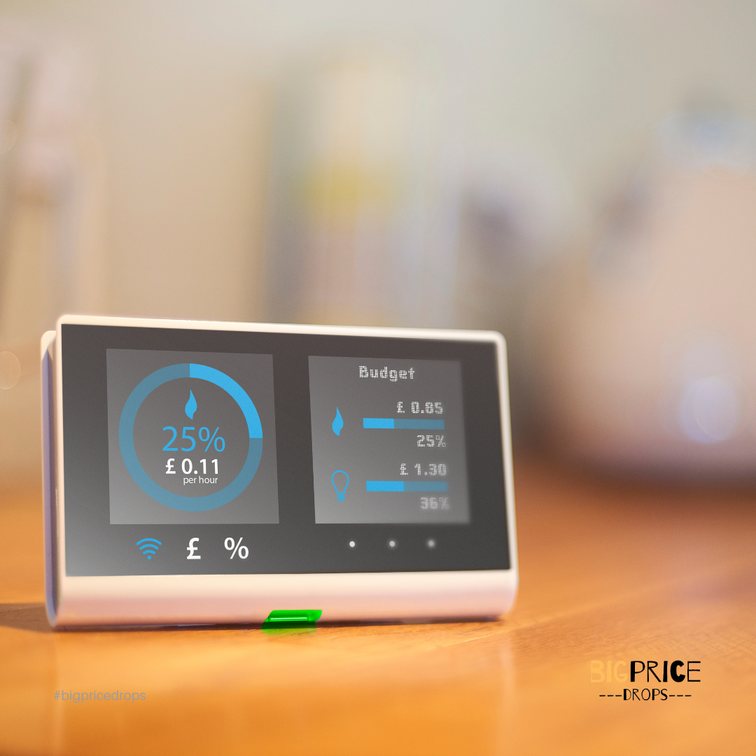
Energy monitors are devices that are used to show the amount of electricity and gas that’s being used by appliances within your home. These are great devices that will allow you to easily monitor your energy use and help find areas for improvement to reduce your bills.
7. Cut Out Unnecessary Usage
Many families across the country leave their lights on all night or leave the TV or computer on standby when they are not in use. We highly advise that you try to stop this behaviour. Saving electricity will also save you a lot of money in the long run. So how do we reduce our gas bill?
8. Lower Your Pressure
Your gas consumption will increase if your pressure is too high, so consider getting it changed by a professional if it’s too high and causing unnecessary consumption of gas.
9. Change Your Light Bulbs
You can save a lot of money on electricity because of the power consumed by inefficient light bulbs and other appliances. If you have old bulbs around the house, upgrade them to more energy efficient models as soon as possible.
10. Use Veneer Heating
This type of insulation is popular because it requires minimal construction and can quickly fit into most homes. It’s also low-cost, so it’s worth going with this option if you want to save money on your bills.
Energy efficiency is not just a buzzword, it’s a responsibility.
– Steven Chu
How to Reduce Electricity Bills in Homes?
Two of the most effective ways in which you can reduce your electricity bills are through the use of intelligent meters and insulation. Both methods will save you significant money in the long run.
Instal a Smart Meter
The electricity service providers now offer intelligent meters, and all are required by law to install them within a year. A smart meter will tell you exactly how much electricity is being used by their system and allow you to monitor their usage over time.
Ask your utility company to install a smart meter. There is no excuse for not gaining much better insight into your electricity usage. Be sure to put in an application within a month of installation and you should be up and running within a few days.
To save electricity using intelligent meters, consider switching to programmable thermostats weather stripping and insulating your home more effectively.
Switching to energy-efficient appliances can save up to 30% on energy bills.
How to Save Money on Gas and Electricity Bills?
If you want to save money on gas and electricity bills, you should consider installing an energy monitor in your home. This is a remote energy monitoring device that you can use to monitor the amount of gas and electricity used by each appliance within your home.
The great benefit of this device is that it allows you to quickly pinpoint your hot spots to focus on repairing or replacing appliances that are using a lot of power.
Simply downloading the software for the device and connecting it to the internet so that it can receive its commands from anywhere will allow you to accurately monitor how much gas or electricity is being used at any given time throughout any given day.
Another benefit of installing an energy monitor is that it will allow you to go online and see precisely how much money you are saving by lowering the amount of gas or electricity used. You can even use the device to track your daily electricity or gas usage, allowing you to see what your bills are like at any given moment.
How to Reduce Gas Bill in Winter
How do I reduce my electricity bill during winter? If you want to save money on your electric bill in winter, try using an energy monitor in your home. This device will allow you to spend less money on your bills and get a better value for your money, which is always a good thing.
Installing an energy monitor should have minimal effect on the functioning of your home because it allows you to keep watching the amount of electric being used at any given time and make any changes that might help conserve this energy.
The benefit of installing this device is that it will allow you to check back every few months or years and see how much money has been saved by using less energy.
To install an energy monitor in your home, the energy company or a private contractor should usually carry out these installation measures for you, costing around £30-£70 per month, per household. Instillation will take between 1 and 2 hours.
Making your home more efficient reduces your heating and electricity bills in winter by using better insulation, switching to programmable thermostats, and using programmable ventilation fans during the winter months.
Properly insulating the attic can save up to 10% on heating and cooling costs.
Key Takeaways
1. The UK spent £46.3 billion on energy in 2018.
2. Energy prices in the UK have risen by an average of 40% in the past 10 years.
3. In 2018, UK households spent an average of £1,074 a year on energy bills.
4. 30% of energy used in a home is wasted due to inefficient appliances.
5. The UK emitted 407 million tonnes of CO2 in 2018 due to energy use.
6. Installing insulation in your home can save up to £140 per year on energy bills.
7. Replacing an old boiler can save up to £270 per year on energy bills.
8. Installing a solar panel system can save up to £248 per year on energy bills.
9. Installing LED lightbulbs can save up to £90 per year on energy bills.
10. Replacing single glazed windows with double glazed windows can save up to £110 per year on energy bills.
11. Moving to a green tariff can save up to £62 per year on energy bills.
12. Installing devices such as smart thermostats can save up to £75 per year on energy bills.
13. Installing cavity wall insulation can save up to £120 per year on energy bills.
14. Switching to a more efficient energy provider can save up to £162 per year on energy bills.
15. Utilising the Nest programmable thermostat can save up to £150 per year on energy bills.
16. Making use of renewable energy sources can save up to £100 per year on energy bills.
17. Unplugging electronics and appliances when not in use can save up to £15 per year on energy bills.
18. Setting your thermostat to an optimal temperature can save up to £130 per year on energy bills.
19. Washing clothes in cold water can save up to £75 per year on energy bills.
20. Turning off the lights when not in use can save up to £50 per year on energy bills.
Conclusion
Wrapping everything up, using efficient energy-saving tactics doesn’t just save you money. It’s also a crucial role we all need to play to help protect our environment and slow down climate change. By taking action at home, such as trimming energy costs, choosing eco-friendly energy sources, upgrading our appliances, and being mindful about our energy use, we can seriously cut down on energy consumption.
Keeping your heating, cooling, and water systems in good shape can significantly lower energy use. Being smart with lighting usage and household appliances can cut down waste. Also, we can solve standby power issues with smart energy planning.
Always remember, every little change can add up and save you big on your energy bill and helps make a sustainable future. We all have the ability to make these changes, and they pay off not just for you, but for our whole community, our economy, and our planet. So, let’s all step up and take on the responsibility of being energy efficient – it’s well worth it.
How to Save Money on Energy Bills

Perry Stevens is the founder of BIGPriceDrops and a long-time digital marketer with a practical interest in helping UK shoppers find better value online. He focuses on clear, no-nonsense money-saving content, Amazon UK deal insights, and buyer guides that help readers spot genuine savings without falling for misleading discounts or impulse-buy traps.
When he is not working on BIGPriceDrops, Perry runs Blend Local Search Marketing and works on digital projects covering SEO, AI tools, and online business growth. His approach is simple: help people make smarter decisions before they spend their money.


Leave a Reply
Want to join the discussion?Feel free to contribute!