
How Does a New Boiler Save Money? An Energy Saving Enthusiast’s Insight
Have you been considering buying a new boiler for your home, but you’re still skeptical about the initial investment? You might be pondering, “How does a new boiler save money?”. This article serves to inform and reassure you that investing in a new boiler can, in fact, lead to substantial savings over time. We have a dual focus: understanding the logic behind the cost-effectiveness of new boilers and unravelling the key features which render them money-saving powerhouses.
“Investing in a new boiler is not about making an extravagant purchase; it’s about improving efficiency, reducing environmental impact, and, most essentially, saving money in the long run.”
We will delve into four main areas:
- Part 1: The increased efficiency of new boilers
- Part 2: Reduction in repair and maintenance costs
- Part 3: The benefits of an eco-friendly approach
- Part 4: How specific features of new boilers contribute to cost savings
By the end of this comprehensive guide, any reservations you might have had about investing in a new boiler will have dissipated. This decision-making process can be a challenging one, but rest assured, we are here to guide you every step of the way.
Part 1: The increased efficiency of new boilers
It’s important for you to understand that boiler efficiency is a major consideration for those who aim to reduce overhead costs. The efficiency of a boiler directly impacts the energy savings a user can achieve. What factors influence this efficiency? Primarily, it’s the age and type of your current boiler, and the type of fuel being used. Significantly, the efficiency of boilers decreases as they age, meaning an older boiler may be costing you more in energy bills.
According to research from the Energy Saving Trust, replacing an old boiler can lead to substantial long-term energy savings. This efficiency improvement is largely due to the advanced technology present in new boiler models, such as condensing gas boilers or combi boilers, which are known for their energy efficiency and cost-effectiveness. These fresh models operate at higher heat efficiency, and as such, improve your home’s energy rating, reduce your carbon footprint, and importantly, lower your fuel bills.
Part 2: Reduction in repair and maintenance costs
Wear and tear on an old boiler not only diminishes its efficiency but also leads to frequent need for repairs. These repair costs, along with necessary regular maintenance, can add up, creating an ongoing expense that new boiler owners often don’t face. Investing in a new boiler could mean fewer repairs, less maintenance, and the accompanying financial savings.
Part 3: The benefits of an eco-friendly approach
With a growing emphasis on reducing carbon footprints, many businesses and households are turning towards eco-friendly appliances – with boilers being no exception. A new, energy-efficient boiler doesn’t just save you money. It can contribute significantly to your green efforts, maximizing your environmental efficiency alongside your financial one.
Part 4: How specific features of new boilers contribute to cost savings
Given that new boilers come packed with modern features, these can also contribute to cost savings. For example, programmable thermostats allow more precise control over heating, enabling you to only use energy when you need it. Some modern boilers come with features like weather compensation, which adjusts the output based on external temperatures, ensuring efficiency regardless of the weather conditions. The savings from such features can offset the higher initial costs of a new boiler over time.
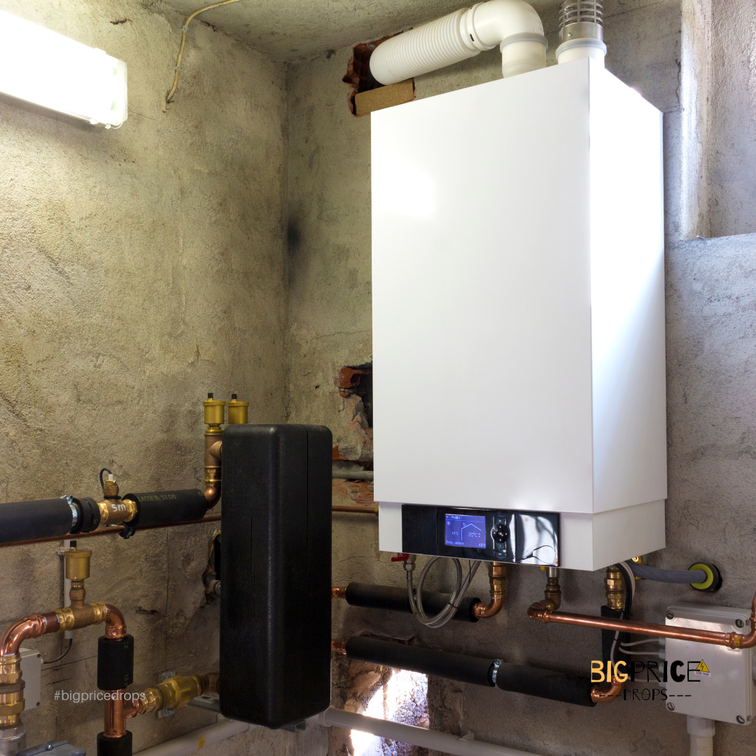
Replacing an old boiler with a new, energy-efficient model can save up to 30% on heating bills.
Interesting Facts
1. The average household in the UK can save up to £305 annually by switching to a new, more efficient boiler.
2. Replacing an inefficient boiler with an A-rated version can reduce household CO2 emissions by up to 1.5 tonnes annually.
3. Around 12% of average domestic energy bills are a result of heating.
4. Upgrading to a high efficiency boiler can reduce energy bills by up to 25%.
5. Installing a new boiler can increase the efficiency of your home by up to 33%.
6. Replacing an old, inefficient boiler with a new A-rated boiler can instantly reduce your home’s carbon footprint.
7. A new high efficiency condensing boiler can operate at an efficiency rating of over 90%.
8. A new boiler can save up to £240 on an annual energy bill, with savings of up to £350 per year.
9. Replacing a G-rated boiler with an A-rated one can save an average household between £235 and £305 a year.
10. The average cost of installing a new boiler in the UK is around £2,400.
11. A new boiler can help to reduce CO2 emissions by up to 35%.
12. The UK government’s Renewable Heat Incentive (RHI) can provide up to £2,400 a year in subsidies for investing in a new boiler.
13. Some new boilers are 98% efficient, saving the user up to £379 a year.
14. The average gas bill for a property with an old, inefficient boiler can be up to £570 a year.
15. Boilers installed before 2005 are likely to be operating at an efficiency rating of as low as 60%.
16. The average cost savings from a new boiler over a 10-year period can reach up to £3,000.
17. The average lifespan of a boiler is around 10 to 15 years.
18. A new boiler should meet the minimum legal efficiency rating of 86%.
19. Replacing an old boiler with a new A-rated model can save up to 1,020 kg of CO2 emissions each year.
20. The Energy Savings Trust estimates that UK households can save up to £450 a year in energy bills by replacing an old boiler with a high efficiency condensing boiler.
What Makes Modern Condensing Boilers More Energy Efficient?
Condensing boilers are the norm in today’s boilers. To warm up the heating element, they are capable of recovering heat that has been previously lost through the vent.
However, they don’t have A-rate efficiency the moment they arrive. The second heat exchanger is responsible for capturing the previously lost heat through the vent, and it may only be accomplished if the heat has returned as vapours (this is why we use the word “condensing”). As a result, the boiler must operate at a significantly low temperature. The boiler is also more effective at lower temperatures. But, most boilers are kept at their original settings (80 degrees Celsius), which prevents condensation and causes the majority of usable heat to be lost up the chimney.
Will I be Able to Save Energy Bills with New Boiler?
The cost of energy conservation depends on several variables, chiefly the generation and efficacy of your present boiler and the kind of fuel you have been using to keep your house warm. The total money saving that regional variations in heating bills will also impact a new A-rate efficiency boiler offer.
Savings on modern boilers might be significant. But this must be weighed against the expense of the upgrade, which might change based on your choices as well as the price of electricity at the time. If you want to stretch the expense over a period of ten years, for instance, the per-month savings can exceed the monthly payments, so your boiler might practically pay on its own.
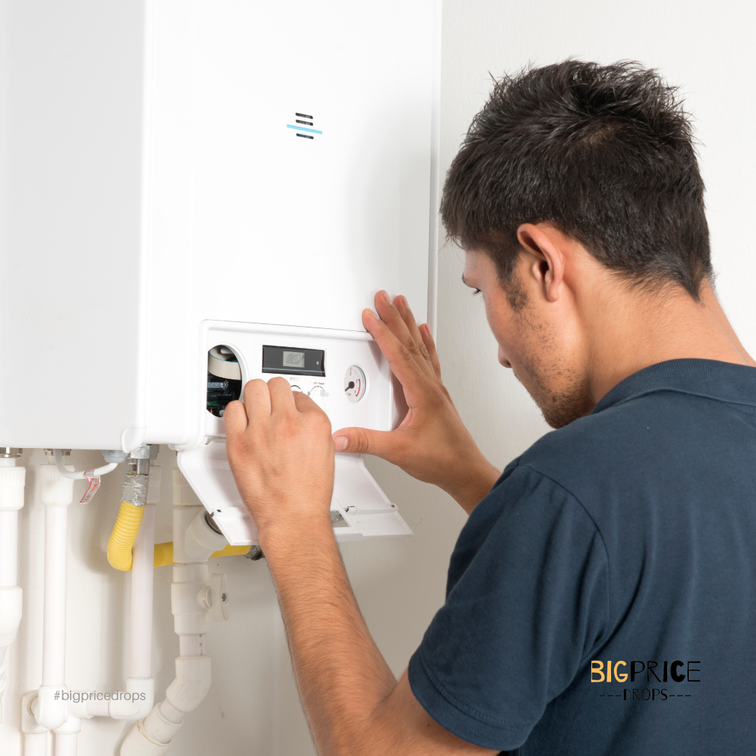
Options for New Energy-Efficient Boilers
It’s crucial to have the appropriate boiler type for your house that is capable of accommodating your demands and reducing expenditures to a minimal level:
Combi Boilers
Combi boilers warm water as needed, greatly reducing energy and cost consumption. They are not preferred for bigger houses and families due to the lack of a hot water cylinder for storage.
Traditional Boilers
Since traditional boilers are probably the most prevalent type of boiler, changing them is not too difficult. This is frequently the finest option for households that want a large amount of warm water at once because of its link to a storage tank.
System Boilers
System boilers, which provide reliability and a large water stockpile, fall midway between a Combi and a traditional boiler.
No matter what you decide, getting an A-rated boiler will significantly reduce your energy costs.
A new boiler can reduce carbon emissions by up to 1,500 kg per year.
Is Getting a New Boiler Worthwhile?
You should definitely consider replacing your 10-year-old non-condensing boiler with a new one, even if it is reliable and does not break down often. This is because an older boiler will consume more fuel.
According to Energy Saving Trust estimates, more than 50 per cent of your energy bill goes to warming your residence, so owning cost-effective and A-rated boilers may make a big difference in your family’s spending plan.
According to the boiler brand and type, prices change. The long-term cost of an efficient boiler will be lower, nonetheless.
Are Old Boilers More Expensive to Run?
Compared to modern boilers, conventional boilers are far less economical. They are more expensive to operate as they require more energy usage to generate the same quantity of heat. Conventional boilers sometimes have worse insulation than modern boilers, which results in greater heat loss and higher fuel bills.
Upgrading to a new boiler can result in annual savings of up to $300.
Conclusion
In conclusion, investing in a new boiler comes with numerous financial benefits.
- Efficiency: A new boiler operates at optimal capacity and provides more consistent heating, lessening the demand for lavish maintenance and repairs.
- Reduced energy bills: As new boilers are more energy-efficient, this translates into significant savings on your energy bills over the lifetime of the appliance.
- Increased property value: A modern, efficient heating system can raise the value of your property, making it a viable long-term investment.
Overall, the savings and efficiencies associated with a new boiler can offset its initial cost, making it a worthwhile investment for homeowners looking to save money in the long run.
Remember, making an informed decision when buying a new boiler allows you to manage your energy expenses and save money. Look for an energy-efficient model that aligns with your home’s heating needs, and you’ll see the financial benefits accumulate over time.
How Does a New Boiler Save Money?

Perry Stevens is the founder of BIGPriceDrops and a long-time digital marketer with a practical interest in helping UK shoppers find better value online. He focuses on clear, no-nonsense money-saving content, Amazon UK deal insights, and buyer guides that help readers spot genuine savings without falling for misleading discounts or impulse-buy traps.
When he is not working on BIGPriceDrops, Perry runs Blend Local Search Marketing and works on digital projects covering SEO, AI tools, and online business growth. His approach is simple: help people make smarter decisions before they spend their money.


Leave a Reply
Want to join the discussion?Feel free to contribute!