
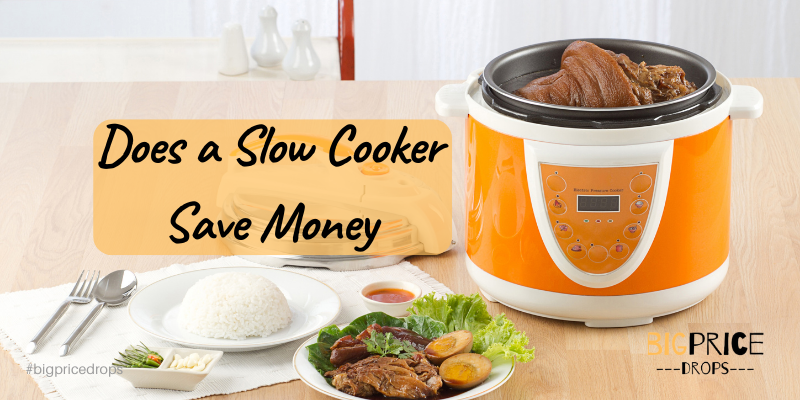
How Does a Slow Cooker Save Money?
If you’re looking to save money and simplify your life while improving the quality of your meals then, a slow cooker might be the answer. It may seem counterintuitive, but the slow, low-temperature cooking of a slow cooker can actually contribute to significant savings in your household budget. So, how does a slow cooker save money?
Upfront Savings
Investing in a slow cooker is a reasonably cheap, one-time expense that can lead to several cost benefits in the long run. Typically, a decent slow cooker costs less than a fancy coffee maker or a gourmet pan set, but its advantages are numerous. You will no longer need to spend money on take-outs or buying various kitchen appliances as a high-quality slow cooker can handle a wide array of cooking tasks.
With that said, the savings extend far beyond the initial purchase.
Maximizing Savings with Slow Cookers
Slow cookers can be a strategic tool towards achieving household cost efficiency. They have earned a reputation not only for their simplicity but also for their diverse cost-saving benefits.
- Efficient energy use: Slow cookers typically utilize 30-50% less energy compared to traditional ovens, with estimates suggesting they use up to 70% less energy than a stovetop. This efficient use of energy can help households to reduce their electric bills by as much as $50 per year. Also, they require a fraction of electricity, saving about 80% on energy costs.
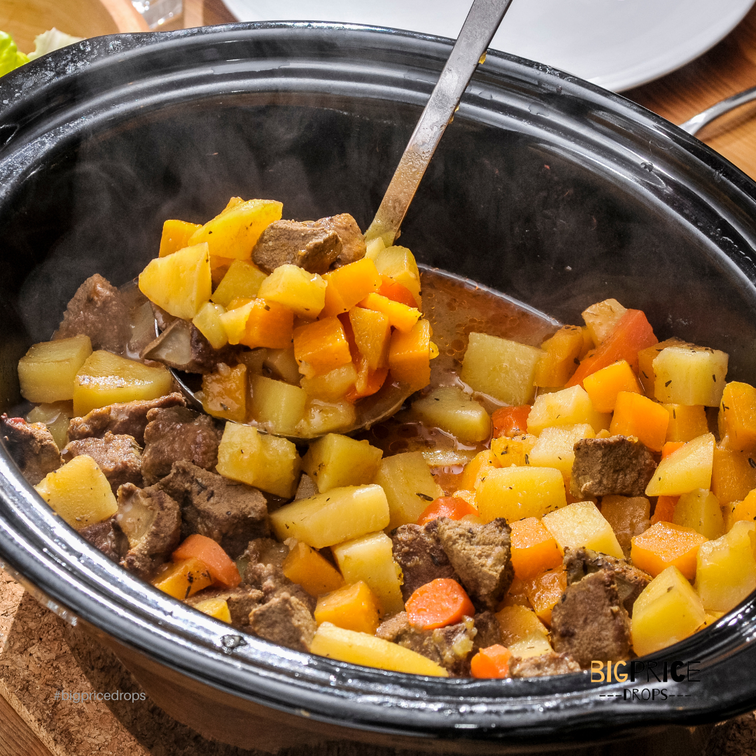
- Cuts of meat and reduced food waste: One fantastic advantage of a slow cooker is its ability to tenderize less expensive cuts of meat, while also preserving more nutrients compared to traditional stovetop cooking methods. Pairing this with the reduction of food waste from potential leftovers makes slow cookers a tremendous asset for budget meals.
- Budget-friendly groceries: Regular use of slow cookers can translate to significant savings on groceries, with some households saving up to $10 per week. The ability to make use of sale items or ingredients nearing expiration further enhances these savings.
- Time and cost-efficient cooking: Slow cookers are time-efficient devices that allow for the preparation of large amounts of food with minimal oversight. This convenience means less time spent watching the stove and more time for other activities. They’re ideal for preparing multiple meals at once, thus saving both time and money.
- Less use of oil or butter: Compared to traditional stovetop or oven cooking, slow cookers require less oil or butter, leading to some cost savings on these ingredients.
- Keeps the kitchen cooler: Slow cookers can maintain cuisine at the right temperature without raising the temperature of the entire kitchen. The reduced need for air conditioning during cooking further contributes to energy savings.
- Variety of meals: Slow cookers are versatile, being able to prepare a vast range of meals—from traditional stews and casseroles to family dinners and special dishes like slow cooker risotto. This eliminates the need for take-out or pre-made food, leading to more savings.
Lower Energy Consumption
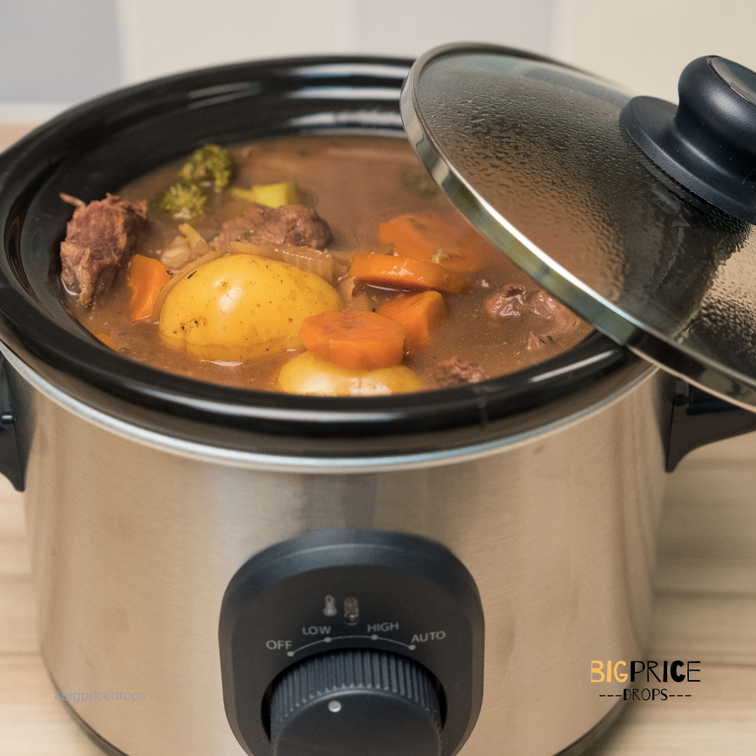
Slow cookers are much more energy efficient than conventional ovens or stovetops. Unlike these appliances that operate at higher temperatures, a slow cooker uses less energy, cooking food at a low temperature over a long period of time. This reduction in energy usage can lead to a noticeable decrease in your utility bill over time.
Economical Meal Planning
- Slow cookers are ideal for bulk preparation. By cooking larger quantities, you can ration meals throughout the week, saving time and money on daily cooking and grocery runs.
- You can use less expensive, tough cuts of meat in your slow cooker. The long, slow cooking process tenderizes these cuts, turning otherwise tough and chewy meat into tender morsels.
- Leftovers can be refrigerated and reheated, preventing waste and saving on the expense and time of preparing new meals.
Despite its simplicity, a slow cooker can have a powerful impact on your household expenses. Its economical operation and the flexibility it allows in meal planning and preparation can truly transform your kitchen budget.
What types of meals can be cooked in a slow cooker?
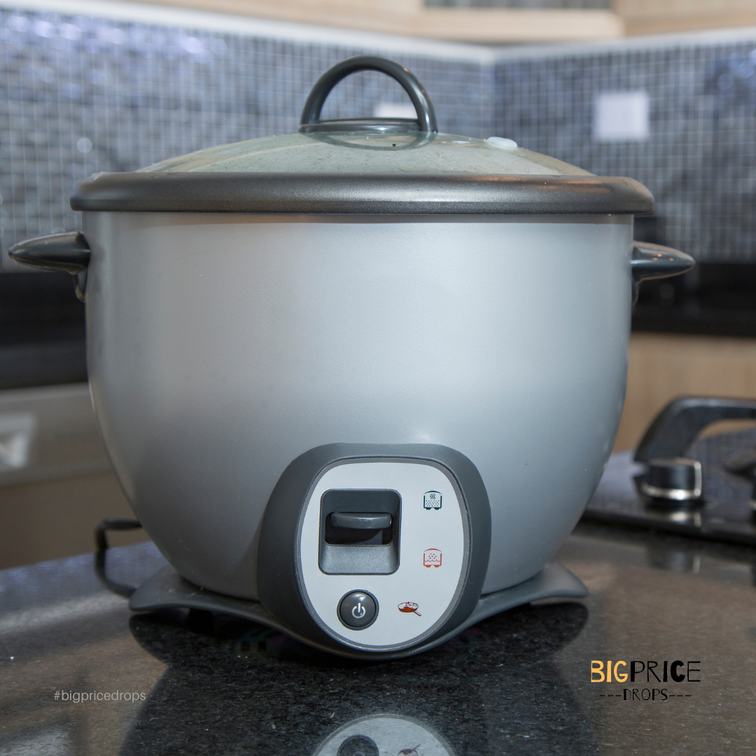
The sheer variety of meals that can be prepared using a slow cooker is absolutely astounding. It’s true potential unravels when you discover specially-adjusted slow cooker recipes. From light soups to hearty casseroles, traditional stews to decadent desserts – the slow cooker outpaces other kitchen gadgets with its versatility.
Hearty Winter Dishes
On cold winter days, nothing quite matches the comforting aroma of a simmering stew or casserole. With a slow cooker, you can recreate your favorite hearty winter dishes with minimal effort. A slow cooker is ideal for preparing dishes that need time to develop flavor and tenderize, such as beef stew or chicken casserole. As a bonus, the extended cooking time means the meat will be exceptionally tender and flavorful.
Smooth Soups
A slow cooker allows you to transform simple ingredients into deeply flavorful, velvety soups. An all-time favorite is slow cooker butternut squash soup, which combines the sweetness of the squash with a hint of spice to create a warming dish. The long cooking process melds the flavors together beautifully.
Delectable Pulled Pork
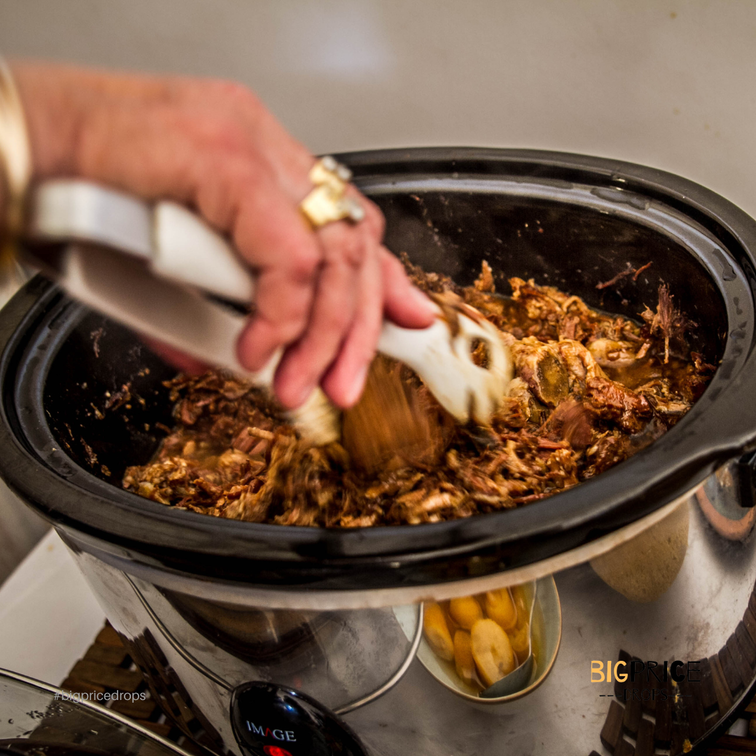
When it comes to pulled pork, slow and steady indeed wins the race. The slow cooker’s low and gentle heat breaks down the tough connective tissue in the pork, rendering it fork-tender. What’s more, the flavorful juices that normally evaporate or get left behind in a traditional oven are retained in the slow cooker, leading to mouthwateringly moist and flavorful pulled pork.
The Art of Risotto
Think risotto is a dish best left to professional chefs? Think again! With a slow cooker, you can replicate the creamy, delicious texture of restaurant-quality risotto right at home. The slow cooker’s ability to maintain a steady, low temperature for an extended period of time is exactly what risotto grains need to slowly absorb the liquid and release their starch, creating a dish that’s creamy yet still ‘al dente’ outside.
We recommend the Amazon best seller Crockpot Slow Cooker. Click HERE for more details.
Are there any potential drawbacks or limitations to using a slow cooker?
Like all kitchen appliances, slow cookers come with both tremendous benefits and a handful of limitations. Some drawbacks that you should be mindful of include:
- Cooking time: Perhaps the most obvious limitation of employing a slow cooker is the extended time it takes to prepare meals. This is the flip side of the convenience it provides – while a slow cooker allows you to “set it and forget it”, most dishes require several hours to cook properly. However, this should not be an obstacle if you plan your meals ahead of time.
- Monotony: Another potential drawback is that the uniform slow, moist heat can result in monotonous food texture. If you desire crunchy or crispy elements in your dishes, you might need to use other cooking methods or appliances together with your slow cooker.
- Temperature settings: Typically, slow cookers are designed with basic temperature settings such as “low,” “high,” and “keep warm.” Some cooking enthusiasts complain about the lack of precise temperature control, which might result in sub-optimal cooking for certain recipes. However, with specially-adjusted slow cooker recipes, you can still achieve delicious and perfectly cooked meals.
- Energy consumption: Even though slow cookers generally use less energy than an oven, they still consume power continuously over a longer period. This can have a minimal impact on your energy bills if you use your slow cooker frequently.
Despite these limitations, the benefits of a slow cooker remain compelling enough for its adoption in a majority of households. Their simplicity of use, versatility in handling a huge variety of recipes, from hearty winter dishes, smooth soups, delectable pulled pork to the art of risotto, coupled with its cost-saving potential, makes it a staple in contemporary kitchenware.
Simply said, absolutely! Compared to ovens, slow cookers cost less to operate. Not to mention an oven and numerous other kitchen equipment utilise less power than standard lamps.
Even a slow cooker is more affordable to purchase than an oven. Moreover, ovens also need to be installed, which might add to the cost.
On the other hand, the slow cooker does not need such setup fees, but even if it did, it wouldn’t be as costly as those for ovens.
The slow cooker utilises the same amount of power and electricity to cook a complete meal; however, the oven probably consumes more during heating up. Based on the arrangement, slow cookers consume approximately 75 to 210 watts of electrical power; meanwhile, ovens need around 1000 to 5000 watts, with an optimum of 2400 watts.
How Does a Slow Cooker Save Money in 2023

Perry Stevens is the founder of BIGPriceDrops and a long-time digital marketer with a practical interest in helping UK shoppers find better value online. He focuses on clear, no-nonsense money-saving content, Amazon UK deal insights, and buyer guides that help readers spot genuine savings without falling for misleading discounts or impulse-buy traps.
When he is not working on BIGPriceDrops, Perry runs Blend Local Search Marketing and works on digital projects covering SEO, AI tools, and online business growth. His approach is simple: help people make smarter decisions before they spend their money.


Leave a Reply
Want to join the discussion?Feel free to contribute!